
Add Row
Add Element
cropper
update

Marketing Connections LLC

cropper
update
Add Element
  • Home
  • Our Story & Values
  • Our Services
    • Reputation Management Services
    • Strategic Blog Services
    • Traffic Generation Expertise
    • Video Production & Marketing
    • Social Media Management
    • Effective Email Marketing
  • Get Connected
  • News Blog
Add Row
Add Element
cropper
update

Marketing Connections LLC

update
Add Element
  • Home
  • Our Services
  • Reputation Management Solutions
  • Our Story & Values
  • Get In Touch
  • Blog
  • All Posts
  • Digital Marketing Strategies
  • Search Engine Optimization (SEO)
  • Social Media Marketing
  • Content Marketing
  • Online Reputation Management
  • Website Design and Development
  • Email Marketing
  • Video Marketing
  • Analytics and Performance Tracking
  • Emerging Trends in Digital Marketing
June 28.2025
1 Minute Read

Digital Marketing for Customer Acquisition: What You Need Now

Did you know businesses leveraging digital marketing for customer acquisition see up to three times higher conversion rates compared to those sticking with traditional approaches? In a digital-first world, unlocking new customers isn’t just an option—it’s your key to competition and sustainable growth. This essential guide equips you with the latest acquisition strategies, actionable insights, and proven tactics, making it possible to attract and convert more customers in 2024 than ever before. Ready to outpace your competitors and master customer acquisition?

modern business team collaborating on digital marketing analytics in a glass-walled city office

Unlocking Growth: Why Digital Marketing for Customer Acquisition Is Your 2024 Business Imperative

  • Discover how businesses leveraging digital marketing for customer acquisition achieve 3x higher conversion rates than those using traditional channels.
  • Outpace your competitors with the latest insights and strategies.

In today’s rapidly evolving business landscape, digital marketing for customer acquisition is no longer a future investment—it’s the foundation of your growth strategy right now . With consumer behavior shifting online, the right digital presence can position your brand in front of thousands of potential customers daily. The real advantage? By harnessing effective customer acquisition strategies, you unlock opportunities for sustainable revenue growth, stronger market share, and genuine customer loyalty.

Companies prioritizing acquisition marketing aren’t just increasing website traffic—they’re building a customer base that’s more engaged and primed for repeat business. Research consistently shows digital marketing channels provide better targeting, higher conversion rates, and more cost-effective nutrition of quality leads compared to traditional efforts. To remain competitive, modern businesses must continuously refine and optimize their acquisition strategy—adopting new channels, embracing automation, and personalizing experiences for every potential customer.

Understanding Customer Acquisition in Digital Marketing: Core Principles and Definitions

Defining Digital Marketing for Customer Acquisition

Professional digital marketer analyzing dashboard data for customer acquisition strategy

At its core, digital marketing for customer acquisition encompasses all the strategic marketing efforts that attract, engage, and convert new customers through digital channels. It’s not just about getting eyes on your homepage—a successful acquisition strategy uses platforms like social media, search engines, email marketing, and content marketing to systematically move prospects along the customer journey. The goal is clear: Transforming strangers into loyal customers by delivering the right message, at the right time, through the right acquisition channel.

By prioritizing data-driven methodologies, digital marketers can measure campaign success, track their acquisition cost per customer, and continuously optimize for better results. Unlike traditional advertising, every action and conversion is measurable—empowering you with real-time insights to refine acquisition strategies and maximize every marketing effort. Whether you’re running a single blog post or comprehensive multi-channel campaigns, the focus is on attracting qualified, high-intent leads who will enrich your customer base .

The Role of Acquisition Marketing in Customer Growth

Acquisition marketing sits at the forefront of business expansion . Instead of simply serving your existing customer base, it actively deploys marketing campaigns designed to reach untapped markets. By targeting potential customers through a variety of digital channels, acquisition marketing helps brands establish brand awareness and nurture meaningful connections with prospects who have not yet interacted with your business.

The true power of acquisition marketing lies in its scalability and adaptability. Through continuous A/B testing, audience segmentation, and performance tracking, marketers can evolve alongside changing consumer behavior and algorithmic updates. This means your business is always one step ahead—testing new marketing channels, refining your brand message, and utilizing the best-performing acquisition strategies for maximum customer growth.

Key Customer Acquisition Strategies in the Digital Era

Modern customer acquisition strategies leverage a blend of content marketing , personalized email marketing , targeted social media campaigns, and dynamic search engine marketing (SEM & SEO). Each channel has a specific role in guiding potential customers through the digital sales funnel, from awareness to conversion. For example, content marketing positions your brand as a trusted authority, while paid search engine ads capture high-intent leads actively searching for solutions.

The most successful acquisition strategies use an integrated approach. By aligning each marketing channel with your business goals and tightly defining your target audience, you can efficiently lower your customer acquisition cost while maximizing ROI. Marketers who consistently analyze data and adjust tactics based on real-time performance unlock the flexibility to scale campaigns, reach broader audiences, and optimize for sustained customer acquisition growth.

What You'll Gain: Maximizing Customer Acquisition with Digital Marketing Strategies

  • Build an integrated customer acquisition strategy
  • Select the most effective acquisition channels
  • Lower acquisition cost while increasing ROI
  • Optimize digital marketing campaigns for your target audience

Throughout this guide, you’ll gain step-by-step insight into building a modern customer acquisition strategy designed for real business growth. Learn how leading brands select their acquisition channels—balancing social media, search engine visibility, content publishing, and email marketing —to continuously engage and convert fresh audiences. We’ll reveal proven tips to keep your acquisition cost manageable, increase your conversion rate, and boost every marketing effort’s contribution to your bottom line.

By learning best practices and optimizing tactics for your unique target audience, you set your business apart in a crowded digital marketplace. Whether you’re aiming to boost brand awareness, expand your customer base, or transform your landing page into a conversion machine, these actionable insights will guide your team to measurable, sustainable customer acquisition results.

People Also Ask About Digital Marketing for Customer Acquisition

What is customer acquisition in digital marketing?

Customer acquisition in digital marketing is the process of identifying, engaging, and converting new customers using digital marketing channels—such as social media, search engines, and email campaigns—to expand your business’s customer base.

Diverse group of customers interacting with brands on smartphones and laptops for digital customer acquisition

What are the 4 types of digital marketing?

The four main types: 1) Content Marketing, 2) Social Media Marketing, 3) Search Engine Marketing (SEM and SEO), 4) Email Marketing. Each serves as a digital acquisition channel, critical to any acquisition strategy.

What is digital acquisition marketing?

Digital acquisition marketing refers to deploying digital marketing strategies specifically designed to attract and convert new customers, focusing on measurable, scalable techniques across various marketing channels.

How will digital marketing methods help in the acquisition of new customers?

Digital marketing methods drive customer acquisition by enabling precise audience targeting, delivering personalized messaging, tracking acquisition cost, and scaling campaigns swiftly for optimal customer acquisition strategies.

Developing a Customer Acquisition Strategy Using Digital Marketing

Building a Foundation: Understanding Your Target Audience and Customer Journey

Business strategist mapping digital customer journey and acquisition strategy on touch interface

A successful customer acquisition strategy starts with a deep understanding of your target audience and their customer journey . This means identifying who your ideal customer is—their demographics, pain points, online habits, and motivations. By leveraging data from analytics tools, social platforms, and customer feedback, marketers can map each critical stage: awareness, consideration, and conversion.

Businesses that invest in audience research and customer journey mapping are able to craft personalized marketing messages and deliver them through the right acquisition channels at the perfect moments. This approach reduces wasted marketing effort and increases engagement, making every interaction with a potential customer more meaningful.

Understanding the customer journey isn’t only about acquiring new buyers. It’s about building an experience that delights, turning each acquisition into lasting loyalty that fuels customer lifetime value. Modern digital marketing enables you to tailor content and offers based on the prospect’s stage in the journey, multiplying your chance to convert visitors into a loyal customer base.

Crafting a High-Conversion Customer Acquisition Strategy

A high-conversion customer acquisition strategy employs a mix of organic and paid channels such as search engine marketing, content marketing, and data-driven email marketing . Begin by establishing clear objectives: Are you optimizing for low acquisition cost, increased volume, or quality leads? Select KPIs, such as conversion rate or customer acquisition cost, to track each campaign’s performance precisely.

Optimizing conversion means more than launching a single landing page or blog post—it’s about creating seamless journeys from first impression to final purchase. Tools such as retargeting ads, automated email drip campaigns, and dynamic personalization are essential for nurturing leads and improving conversion rates every step of the way.

The best strategies use continuous testing—A/B testing messaging, creatives, and landing page layouts—to pinpoint what resonates most with your target audience. By analyzing results and iterating campaigns, you consistently refine your acquisition strategies, maximizing ROI while creating a framework for rapid, scalable growth.

Aligning Acquisition Channels with Your Business Goals

Choosing the right acquisition channels depends on your business model and audience preferences. For B2B companies, search engine marketing and email marketing often drive high conversion rates. For B2C, social media and influencer collaborations tend to accelerate customer acquisition.

The key is alignment—matching each marketing channel to your audience’s digital behavior and your own goals for growth. Map each channel’s strengths to business objectives: Social media for brand awareness, search engines for lead generation, and email for nurturing existing customer loyalty or reactivating dormant leads.

By continuously testing, integrating, and optimizing your channels alongside your business goals, you create a system where each channel supports and amplifies the others, driving measurable growth across your entire acquisition marketing strategy.

Key Digital Acquisition Channels for Effective Customer Acquisition

Social Media as an Acquisition Channel: Best Practices and Tools
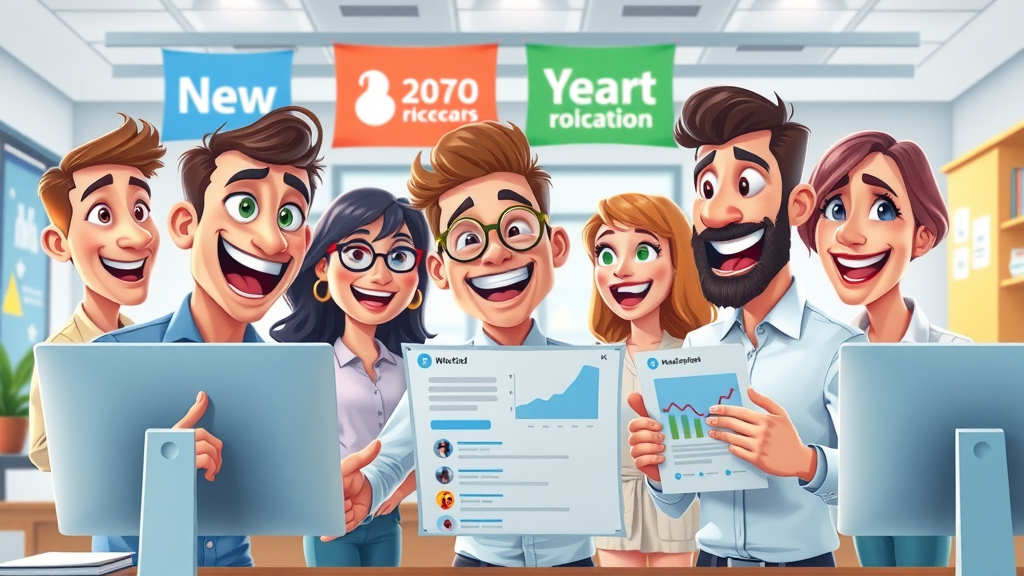
Social media marketing team collaborating on campaign dashboards for customer acquisition

Social media remains a powerhouse acquisition channel—unlocking immediate access to vast audiences on platforms like Facebook, Instagram, LinkedIn, and TikTok. Brands that master social media strategy don’t simply post for engagement; they deploy sophisticated tools such as audience segmentation, custom retargeting, and conversion tracking to engage prospective customers at every stage of their journey.

Best practices for customer acquisition include using compelling creative assets, interactive content, shoppable posts, and influencer partnerships that amplify your brand reach. Social media advertising offers unmatched targeting options, letting you deliver personalized offers based on demographics, interests, and even online behavior.

Leading social media acquisition marketing campaigns regularly test ad creatives, experiment with new content formats (like live video), and monitor real-time analytics to double down on what works. This agile, metrics-driven approach ensures your marketing efforts generate more leads and a stronger, loyal customer base.

Mastering Email Marketing for Customer Acquisition

Email marketing is a direct, cost-effective tool for not just nurturing existing customers but acquiring new ones. The most effective customer acquisition strategies leverage personalized messages, targeted drip sequences, and segment-specific offers to turn subscribers into buyers. Welcome series, lead magnets (such as e-books or webinars), and automated follow-ups keep your brand top of mind.

Prospects are much more likely to become customers when they feel the content is tailored to their needs. By leveraging analytics and A/B testing subject lines, CTAs, and content offers, marketers can continuously enhance open rates and conversion rates. When integrated with other acquisition channels, email marketing plays a pivotal role in nurturing potential customers through extended customer journeys.

Building a quality email list and maintaining clean data drives not only acquisition but long-term retention—amplifying customer lifetime value. The strongest acquisition strategies use email as an ongoing communication tool, sending targeted campaigns based on user behavior and leveraging advanced automation for scalable, personalized experiences.

Leveraging Content Marketing to Acquire and Retain Customers

Content marketing positions your brand as an authority, attracting potential customers through informative, entertaining, and helpful assets. High-value blog posts, whitepapers, videos, and infographics not only drive organic search traffic—they build trust and credibility, essential for lasting customer relationships.

Successful acquisition strategies hinge on understanding what your target audience is searching for and addressing those needs better than competitors. Publishing SEO-optimized content helps to strengthen your search engine ranking, increasing brand visibility and driving relevant leads through your digital doors.

Consistency is key: Maintaining a regular publishing schedule and updating existing content ensures your site remains a dependable resource for old and new visitors alike. In many cases, content can also fuel email marketing and social media efforts—multiplying its value across multiple acquisition channels.

The Role of Search Engine Marketing (SEM & SEO) in Acquisition Strategy

Search engine marketing (SEM), including both paid ads (PPC) and organic SEO, is essential for businesses seeking to capture high-intent customers exactly when they’re searching for solutions. Optimizing your site’s pages and blog posts for the right keywords improves visibility in search results—making it easier for potential customers to find you.

Paid search campaigns enable you to bid on specific queries, ensuring you appear even in highly competitive categories. Together, SEM and SEO serve as foundational digital acquisition channels for lead generation, supporting both immediate and long-term acquisition goals.

Integrating search engine strategies with landing page optimization, content marketing, and retargeting ensures a seamless journey from click to conversion, giving your business a clear edge in gaining and retaining a robust customer base.

Reducing Customer Acquisition Cost Through Strategic Digital Marketing

Understanding Acquisition Cost Versus Customer Value

Analytical marketing specialist calculating customer acquisition cost and revenue on monitors

Customer acquisition cost (CAC) is a vital metric for every marketer. Calculating CAC means understanding every dollar invested in a given marketing campaign—ad spend, creative development, platform fees, and human resources—and dividing by the number of new customers gained. To ensure sustainable growth, your CAC must be balanced against customer lifetime value (CLTV).

The smartest acquisition strategies focus on lowering CAC while increasing CLTV. This approach ensures your marketing efforts create healthy margins and resilience against market fluctuations. By monitoring CAC across various marketing channels, you gain valuable insights into which efforts yield the highest ROI and where to shift budget for maximum impact.

Advanced analytics, paired with attribution modeling, allow you to connect each digital touchpoint to a new sale—empowering continuous refinement and more efficient acquisition strategies over time.

Optimizing Marketing Channels for Lower Customer Acquisition Cost

Efficient marketing channel selection is the fastest way to optimize acquisition cost. Focus resources on channels that bring in quality leads with lower spend—such as targeted email sequences, organic SEO, and remarketing on social media or search engine platforms.

Consistent testing and campaign optimization are crucial. Monitor which acquisition channel delivers the best conversion rate, lowest CAC, and highest customer lifetime value. Don’t be afraid to pivot—moving budget away from underperforming channels and doubling down on acquisition marketing strategies that work.

Automated bidding, audience segmentation, creative optimization tools, and CRM integrations can further reduce CAC by focusing your marketing campaigns on the right prospects at the right time. The most agile marketing teams treat this process as ongoing, never settling for "good enough" and always seeking new ways to improve efficiency and results.

Watch and learn the most impactful customer acquisition strategies through real-world digital marketing campaigns.

Designing Effective Landing Pages: Turning Clicks into Customers

Landing Page Essentials for Digital Marketing and Customer Acquisition

Web designer creating a high-converting landing page for digital marketing customer acquisition

The landing page is the critical touchpoint between marketing campaigns and customer acquisition. An effective landing page combines persuasive copy, trust-building design elements (like testimonials and guarantees), and clear calls to action. Every visual and message must align with your target audience’s needs and expectations, minimizing distractions and maximizing clarity.

To achieve high conversion rates, match your landing page’s offer with the ad’s promise, streamline forms, and remove any unnecessary barriers to conversion. Consistency across all customer acquisition channels—whether the visitor arrives via social media, search engine ad, or email marketing—ensures a seamless experience and dramatically improves performance.

A/B testing headlines, CTAs, images, and overall structure is a non-negotiable practice for high-performing digital marketing teams. The difference in results from even minor adjustments can be dramatic, making ongoing landing page optimization a pillar of every acquisition strategy.

Conversion Optimization: A/B Testing and Beyond

Beyond A/B testing, employ advanced conversion optimization techniques like heatmaps, user session recordings, and multi-variate testing to uncover exactly how customers interact with your landing pages. These insights allow for data-driven tweaks that can double or triple your conversion rates and lower acquisition cost over time.

Optimize page load times, prioritize mobile responsiveness, and use urgency or scarcity tactics to encourage immediate action. By frequently reviewing performance analytics, businesses can adapt quickly to shifting consumer preferences and emerging best practices, staying ahead of competitors and at the forefront of effective customer acquisition.

Measuring Success: KPIs for Digital Marketing and Customer Acquisition Strategies

Key Metrics: Customer Acquisition Cost, Lifetime Value, and Retention

Measuring the effectiveness of digital marketing for customer acquisition hinges on a handful of key performance indicators (KPIs): customer acquisition cost (CAC) , customer lifetime value (CLTV), conversion rate, and retention. Setting clear measurement benchmarks empowers marketers to assess the true impact of each marketing strategy and acquisition channel.

Tracking the relationship between CAC and CLTV ensures you are not just acquiring customers, but acquiring them profitably. Regularly reviewing retention rates alongside acquisition numbers highlights whether your digital marketing efforts are bringing in the right audience—one that sticks around and delivers long-term value.

Closely monitoring these metrics and adjusting campaigns accordingly helps marketing teams allocate budget efficiently, optimize each channel, and maintain sustainable growth for the business.

Analyzing Your Customer Base for Effective Customer Growth

Analysis doesn’t stop at acquisition—it’s about understanding your evolving customer base . Segmentation reveals your most valuable segments, identifies patterns in high-performing acquisition campaigns, and uncovers opportunities for upselling, cross-selling, and referral marketing.

Look at data like first-purchase sources, repeat purchase frequency, and channel influence across customer journeys. By combining these insights with customer feedback and behavioral analytics, businesses craft more compelling messaging, refine their acquisition strategy, and nurture lasting relationships that drive customer lifetime value to new heights.

Table: Comparing Digital Marketing Channels for Customer Acquisition

Channel Acquisition Cost Conversion Rate Target Audience Fit Pros Cons
Social Media Moderate High Broad Wide reach, engagement Algorithm dependency
Search Engine Variable High Intent-driven High ROI Competition
Email Marketing Low Moderate Personalized Low cost List maintenance
Content Marketing Moderate Long-term Thought leadership Trust building Time investment

Step-by-step instructions for calculating and reducing your digital customer acquisition cost.

Case Studies: Real Success Stories in Digital Marketing for Customer Acquisition

How Company A Lowered Acquisition Cost and Tripled Their Customer Base

Business leader reviewing customer growth and acquisition strategy with digital reports

Company A, a mid-sized retailer, transformed its customer acquisition model by integrating content marketing with advanced social media and email marketing campaigns. By focusing on micro-segmentation, retargeting, and a relentless commitment to A/B testing, they cut their acquisition cost by 40% while tripling their active customer base within a single year.

Key factors included investing in high-value landing pages, clarity in their customer journey mapping, and optimizing all marketing efforts for both mobile and desktop. The result? Higher conversion rates, greater brand awareness, and a sustainable path to long-term growth.

Innovative Social Media Acquisition Campaigns That Worked

Many startups and enterprises have scaled fast using creative, data-driven social media campaigns. For example, one e-commerce brand used gamified Instagram stories and referral incentives, boosting their lead generation and customer acquisition by 25% month-over-month.

By closely monitoring campaign analytics and using audience insights to tailor every message, they maximized every marketing channel—and established loyal advocates eager to share and expand their brand reach.

Content Marketing Success: From Zero to Brand Authority

A SaaS provider started with zero visibility and a limited marketing budget, yet within eighteen months, high-quality SEO-driven blogs and educational video content consistently delivered a steady stream of qualified leads. By nurturing these leads through email marketing and webinars, they built a robust customer base and became recognized as industry thought leaders.

This journey highlights the importance of patience, perseverance, and a commitment to value-focused content as the backbone of long-term customer acquisition strategies.

Checklist: 10 Steps to Launch Your Digital Marketing for Customer Acquisition Plan

  • Define your ideal target audience
  • Map the customer journey and key decision points
  • Audit current marketing channels and performance
  • Set specific acquisition goals (volume, CAC, conversion rate)
  • Develop high-value content for each acquisition channel
  • Implement lead capture and nurturing workflows (email marketing, retargeting)
  • Design and test landing pages for conversion
  • Allocate budget to highest-performing channels
  • Track KPIs closely and adjust campaigns rapidly
  • Iterate and scale successful customer acquisition strategies

Insider tips from acquisition marketing experts on boosting customer growth through email campaigns.

Digital marketing for customer acquisition is not just about reaching new customers—it’s about delivering value that keeps them coming back. — Industry Thought Leader

Overcoming Common Challenges in Digital Marketing for Customer Acquisition

Adapting to Evolving Marketing Channels and Algorithms

One of the biggest hurdles for digital marketers is keeping pace with platform changes, shifting algorithms, and consumer behavior evolutions. Acquisition marketing strategies must remain agile—testing new tactics, upgrading creative, and staying ahead of the curve with platform updates.

Success means treating continuous learning and adaptation as a central part of your acquisition strategy. Invest in training, leverage up-to-date analytics, and regularly engage with your community and industry trends to stay on the cutting edge.

Managing Acquisition Cost and Budget Constraints

With rising ad costs and shrinking attention spans, reducing acquisition cost is more crucial than ever. Marketers must be vigilant—prioritizing high-ROI channels, automating repetitive tasks, and focusing only on campaigns that deliver measurable results.

To make the most of limited budgets, align acquisition efforts tightly with specific target audiences, and reallocate funds to strategies that show consistent performance improvements. This disciplined approach ensures you stretch every marketing dollar for optimal growth results.

FAQs on Digital Marketing for Customer Acquisition

What is the most effective digital marketing channel for customer acquisition?

The most effective channel varies by business and audience, but search engine marketing (SEO & PPC) and personalized email marketing often yield the highest quality leads. Social media campaigns and high-authority content marketing also play crucial roles in building awareness and driving direct customer conversions.

How do you track the success of acquisition marketing campaigns?

Use analytics tools to monitor KPIs such as CAC, conversion rate, retention rate, and campaign ROI. Implement robust tracking on digital marketing campaigns (e.g., UTM parameters, conversion pixels) and segment data by marketing channel to pinpoint which efforts are driving results.

What is a good customer acquisition cost in digital marketing?

A good acquisition cost is one where the CAC is significantly lower than the customer lifetime value (CLTV). As a general rule, aim for a CAC that is no more than 30% of CLTV, but this varies depending on industry benchmarks and business model specifics.

How do you choose the right acquisition strategies for your target audience?

Start by gathering data on your audience’s behaviors and preferences, then test different acquisition channels and campaigns. Focus on channels that bring high-intent traffic and use ongoing analytics to refine strategies for the highest engagement and lowest CAC.

Five Key Takeaways for Digital Marketing for Customer Acquisition

  • Customer acquisition is driven by data and strategy.
  • Diversify acquisition channels for robust results.
  • Prioritize effective customer acquisition over volume.
  • Manage acquisition cost for sustainable growth.
  • Measure and optimize continuously.

Ready to Drive Customer Acquisition? Get Your Free Digital Marketing Strategy Session

Ready to grow your business and connect with more customers? Book your free marketing strategy with our team today. Call: 314-560-4642 or visit: https://marketingconnectionsllc.com/get-in-touch

Take action: Analyze your current acquisition strategy, choose your best channels, set measurable goals, and optimize relentlessly to scale your customer base and ROI.

To enhance your understanding of digital marketing for customer acquisition, consider exploring the following authoritative resources:

  • “Customer Acquisition Strategies to Grow Your Business” : This article delves into key strategies such as SEO, content marketing, email marketing, and social media marketing, providing insights on how to effectively attract and convert potential customers. ( business.adobe.com )

  • “Customer Acquisition Strategies Every Marketer Should Know” : This resource outlines essential strategies including content marketing, SEO, influencer marketing, and video marketing, offering practical tips for implementing these tactics to enhance customer acquisition efforts. ( cyberclick.net )

By exploring these resources, you’ll gain valuable insights and actionable strategies to effectively attract and convert customers through digital marketing.


Digital Marketing Strategies

0 Comments

Write A Comment

*
*
Related Posts All Posts

Building Strong Brand Awareness Campaigns: Strategies for Local Business Marketing Success

Daryl Sawyer Explains Why Prioritizing Brand Awareness Campaigns is Critical for Small Businesses "I don't think they make it a priority. Being aware of what our brand is and being diligent on their strategies with our brand." – Daryl Sawyer, Marketing Connections LLC For countless small business owners and ambitious marketing leaders, the topic of brand awareness campaigns can feel like a distant concern when the immediate pressure of driving sales looms so large. Yet, as Daryl Sawyer of Marketing Connections LLC observes, overlooking the foundational step of brand awareness is one of the most common—and costly—misconceptions in local business marketing. Many organizations leap straight into aggressive promotion, missing a crucial opportunity to frame their identity and build lasting resonance with customers. Sawyer emphasizes that “being aware of what our brand is and being diligent on their strategies with our brand” isn’t a luxury—it's essential if you want to cut through the noise and create a lasting impression. The result? Lower customer recall, weaker engagement, and a struggle to turn first-timers into loyal advocates—problems all of which can be traced back to a lack of brand clarity The Risk of Skipping Brand Awareness: Confused Customers and Lost Opportunities "If they skip over that, the message to the customer is confusing. The customer doesn't really understand what the business does, what they sell. It just creates a confusing situation for the customers." – Daryl Sawyer, Marketing Connections LLC The temptation to rush into sales promotions before establishing a credible, consistent brand identity is common, but, as Daryl Sawyer makes clear, it leads directly to confusion among your audience. When the essential groundwork of brand awareness campaigns is skipped, customers struggle to make sense of what a business stands for, what it offers, and why it matters. According to Sawyer, unclear brand messaging doesn’t just reduce buying intent; it actively erodes trust and credibility—a risk that no local business can afford in today’s competitive environment. Confused customers don’t convert, and worse, they don’t return. Sawyer’s perspective is echoed by industry research: businesses with strong, cohesive branding enjoy significantly better customer retention and word-of-mouth growth. But even more powerfully, he points out the opportunity cost—lost chances to win over ideal clients simply because the business failed to clarify its position in the market. The bottom line is stark: skipping the investment in brand awareness campaigns isn’t just a missed marketing step—it’s a critical business error that can haunt your growth trajectory for years. Why Brand Awareness Campaigns Matter Most for Local and Emerging Businesses "By having a brand voice guideline and strategy, it helps to clarify things and helps the business focus in the right areas to get the customers they're looking for." – Daryl Sawyer, Marketing Connections LLC For local entrepreneurs, emerging brands, and any business hoping to build sustainable community relationships, brand awareness campaigns aren’t just important—they are mission critical. Daryl Sawyer insists that many “busy businesses struggle to convey what they do to their customers,” a problem that can be solved by investing the necessary time to establish and document a strong brand voice guideline. This clarity isn’t just cosmetic; it drives all subsequent marketing, advertising, and outreach, ensuring that every campaign aligns with what truly sets your business apart. The edge for hometown brands lies in their ability to connect to local values, traditions, and customer needs. Sawyer points out that the process of carefully crafting “a setup run brand voice guideline and strategy around that brand voice guideline” streamlines all communications, eliminating guesswork and building trust with both new and returning clientele. In a crowded digital marketplace, this laser focus is what allows local businesses to stand out and continually attract their target demographic—before their competitors do. Building Clear Brand Identity: The Foundation for Customer Trust and Engagement Define your unique business offerings clearly. Identify your niche and competitive differentiators. Develop consistent brand voice guidelines. Invest time in brand strategy before sales tactics. Strong brand awareness campaigns begin with a commitment to defining what truly makes your business unique, both in products and personality. Sawyer encourages business owners to start by clarifying exactly what they offer—a seemingly simple task, but one that is often glossed over in the rush to market. Clarity around your niche, unique strengths, and the problem you solve creates a potent core that guides every blog post, product launch, and social media update. This focused identity not only builds trust with prospects but makes it easier to capture attention (and loyalty) in even the most crowded industries. Sawyer’s strategic advice resonates especially for marketing directors and brand managers juggling multiple initiatives: “Invest time in brand strategy before sales tactics.” By anchoring all campaigns to a consistent, authentic brand voice, businesses can ensure that every message, from in-store experience to digital ads, reinforces trust and deepens connection. This approach elevates brand engagement and embeds your company naturally into your customers’ mental landscape, making you their first choice when it's time to buy. Expert Insights on Crafting Effective Brand Awareness Campaigns "Take the time to answer the questions: What does your business have to offer? What is its niche? What sets you apart from competition?" – Daryl Sawyer, Marketing Connections LLC From Sawyer’s perspective, the secret behind the best brand awareness campaigns is found in a willingness to ask the tough questions that most businesses skip: What are we really offering? Who are we for, and what makes us different? By pausing to answer these, you lay a solid foundation that every future customer interaction is built upon This clarity is not just an internal benefit; it translates directly to customer experience. When you articulate your value and niche, you empower your audience to make a confident decision and become advocates for your brand. Sawyer’s experience shows that businesses who are clear in their messaging win more than customers—they earn ambassadors who willingly refer and defend the brand in their own networks. That’s the kind of compounding value only possible with authentic, consistent campaigns. How Consistent Branding Leads to Stronger Market Positioning Greater customer recognition and recall Improved trust and credibility More focused marketing efforts Higher conversion rates through clear messaging Consistent branding is the driving force behind every high-impact campaign. When your brand visuals, tone, and promise remain unified across all channels, you create a memorable identity that cuts through the chaos of digital noise. According to Daryl Sawyer, this consistency not only allows for “greater customer recognition and recall” but also solidifies your business’s reputation and increases word-of-mouth. Trust grows with every interaction, as customers encounter the same coherent promise no matter where they meet your brand. Moreover, focused branding sharpens your marketing spend. By funneling energy and budget only into the activities that fit your clear brand identity, you make every dollar go further, reducing wasted effort and maximizing results. The result: higher conversion rates, less confusion, and increased customer loyalty—outcomes that supercharge small businesses in competitive markets. Leveraging Marketing Connections LLC's Expertise for Brand Awareness Success Customized brand strategy development Integration of marketing technology and automation Ongoing performance tracking using real-time data analytics Personalized service focused on your unique business goals Partnering with an expert agency like Marketing Connections LLC means you don’t have to navigate the brand-building maze alone. Under Sawyer’s leadership, the firm offers “customized brand strategy development,” ensuring that every campaign is as unique as the business it represents. What sets their approach apart is the integration of leading-edge marketing technology and automation—tools that streamline execution and multiply efficiency, giving small businesses the same power as national brands. Sawyer and his team prioritize “ongoing performance tracking using real-time data analytics,” so strategies remain agile and results-driven. The true advantage lies in their personalized, partner-first ethos: instead of generic templates, every client receives a roadmap tailored to their industry, goals, and ideal customer profile. This combination of technological innovation and hands-on strategic counsel is what transforms average awareness campaigns into engines of growth and customer loyalty. How a Strategic Brand Awareness Campaign Can Transform Your Small Business Key Takeaway: Establish Brand Clarity Before Sales to Connect with Ideal Customers Conduct thorough brand identity and niche analysis Create and implement consistent brand voice guidelines Build awareness before pushing promotions Measure impact and adjust strategies regularly The combined wisdom and proven approach from Daryl Sawyer comes down to one pivotal message: establish unmistakable brand clarity before you consider scaling up your promotions. By rigorously defining your identity, cementing a unique position in the market, and creating unified messaging, your business becomes the obvious choice for your target audience. According to Sawyer, every strong campaign should follow a sequence—analysis, consistent communication, strategic awareness-building, and disciplined measurement. This repeatable process acts as a growth engine, delivering compounding gains rather than limited short-term wins. When small businesses commit to these brand-first actions, they don’t just attract more customers—they build lasting communities of loyal advocates who return, refer, and help shape the trajectory of the business. The “aha” moment here is that effective brand awareness campaigns aren’t about flashy ads or one-off stunts; they’re about disciplined strategy, emotional resonance, and a relentless focus on clarity from the inside out. Ready to Make Your Brand Stand Out? The foundation for unstoppable business growth starts with a bold commitment to clarity, consistency, and strategy. Daryl Sawyer’s expert guidance underscores this: successful brand awareness campaigns are built on knowing your value, owning your voice, and crafting your message with precision. When you take the time to create and execute a campaign rooted in these principles, you’ll find that growth comes not from luck, but from the trust and recognition you’ve earned. If you’re serious about taking your brand to the next level, don’t wait while your competitors claim the attention you deserve. Turn brand confusion into lasting recognition and loyalty by making brand awareness your primary marketing mission. Your next customer is searching online right now—can they find you? Schedule a free strategy session and let’s make your business the one they connect with

Developing Brand Awareness Campaigns That Resonate With Local Audiences

But how do you make your brand resonate deeply with the audience right outside your front door? Daryl Sawyer, founder of Marketing Connections LLC, specializes in helping businesses like yours transform from being just another name on the block to unforgettable community pillars Why Brand Awareness Campaigns Are Crucial for Small Businesses Today As Daryl Sawyer, of Marketing Connections LLC, explains: "Brand awareness campaigns help project to potential customers what makes their business unique and how they can solve problems for their customers." According to Daryl Sawyer, the greatest opportunity for small businesses isn’t just in being seen—it’s in being remembered for what sets them apart. In an age of nonstop digital noise, a well-executed brand awareness campaign gives you the power to claim your distinct space in your local market. For small businesses, this is especially critical. “Customers need to instantly recognize not just your logo or colors, but what you stand for and how you uniquely solve their real-life needs,” Daryl notes. That kind of resonance is what transforms fleeting interest into word-of-mouth recommendations and repeat business. Industry studies back up Daryl’s perspective: brands that consistently invest in awareness campaigns experience higher levels of trust and loyalty from customers. Local audiences, in particular, are far more likely to support businesses they recognize and connect with, making brand visibility a direct factor in sustained revenue growth. In Daryl’s work with small business owners, he’s seen time and again that the brands which translate their unique culture, story, and solution into their messaging see results—faster, and more sustainably, than those that don’t. Breaking the Biggest Misconception: It Doesn’t Have to Consume Your Time As Daryl Sawyer, of Marketing Connections LLC, notes: "Many think developing a brand guideline takes too much time, so business owners don't know where to get started—this couldn't be further from the truth." One of the biggest hurdles Daryl encounters is the belief that developing a brand guideline and launching a campaign will drain valuable hours from already overloaded business owners. “I hear it all the time—‘Brand awareness sounds great, but I just don’t have the time or expertise to build out a full branding bible,’” Daryl shares. The expert’s perspective is that this misconception keeps many from starting, when in reality, the process can be streamlined by focusing on core essentials: your brand values, your authentic story, and the unique benefits you provide. Sawyer advocates for a practical approach that doesn’t demand a massive time investment up front. Instead, he encourages business owners to leverage what they already have—existing customer insights, even informal feedback—and simple digital tools that make brand-building accessible. “The fact is, small, consistent steps using what you know about your own business and your customers are much more powerful than chasing perfection,” Daryl says. By starting with the fundamentals, you gain momentum and clarity, allowing your brand voice to shine without overcomplicating the process. Focus on core brand values first Use existing assets and customer insights to define your voice Leverage simple tools and templates to save time Crafting a Consistent Brand Voice: The Key to Effective Brand Awareness Campaigns As Daryl Sawyer, of Marketing Connections LLC, advises: "You should know your brand and your brand voice so that you can convey a consistent message with your campaigns." A common pitfall Daryl sees is inconsistency: brands that send mixed messages confuse audiences and miss opportunities to build lasting trust. “When your messaging changes from one campaign to the next, it doesn’t matter how clever your ads are—customers can’t form a clear picture of who you are,” he says. According to Daryl, true impact comes from an unwavering commitment to your brand voice, carried across every channel, from your storefront to your social feeds, email campaigns, and even how you answer the phone. Achieving consistency isn’t about rigid conformity; it’s about making sure the essence of your brand always comes through. Daryl emphasizes actionable steps: define your story, values, and the personality you want your brand to embody. Share your voice guidelines with your team or collaborators. Even if you’re a solopreneur, having a few guiding statements in place acts as a compass, ensuring every piece of content advances your brand recognition, aligns with your mission, and amplifies your unique value proposition. How Consistency Builds Local Trust and Recognition Consistency drives familiarity and trust Aligns messaging across online and offline channels Supports SEO and improves search visibility Sawyer’s insights reveal a simple truth: the more consistent and recognizable your message, the stronger your position in your local community. Over time, this repetition engrains your business as a trusted solution provider. Just as national brands benefit from consistent visual and verbal messaging, so too can local businesses—but with the added advantage of tailoring every interaction to the nuances of their neighborhood audience. Furthermore, aligning messaging across platforms boosts not only recognition but also your SEO performance. When customers and search engines alike encounter uniform, keyword-rich content, your business rises higher in search rankings, driving organic growth alongside real-world relationships. “This alignment between on- and offline channels helps customers feel that no matter how they interact with you, the experience is reliably, authentically yours,” Daryl highlights. It’s this unshakeable identity that paves the way for loyalty and positive community reputation. Practical Steps to Launch Your First Brand Awareness Campaign Define your unique selling proposition (USP) Identify and understand your local target audience Choose the right channels aligned with your audience habits Create simple, authentic content that highlights your brand voice Monitor engagement and refine messaging based on feedback Who are they? Where do they spend time—online and offline? According to Daryl, this step is crucial; understanding habits and preferences ensures your campaigns reach people where they already are, maximizing impact The next step is to select the platforms—be it Instagram, local print publications, community events, or search ads—that offer the highest likelihood of meaningful engagement. Craft simple, authentic content that puts your brand story and voice front and center, versus chasing trends that might dilute your identity. Finally, Daryl encourages small business owners to be agile: track what works, gather community feedback, and don’t be afraid to tweak messaging. This continual refinement turns early lessons into powerful momentum for long-term brand recognition. Common Pitfalls to Avoid in Early Campaigns Inconsistent messaging dilutes your brand Ignoring local audience preferences Overcomplicating brand guidelines and wasting resources The road to impactful brand awareness campaigns isn’t without its hazards. Daryl points out that the most common mistakes aren’t due to lack of effort, but rather, lack of clarity and alignment. Mixing messages, even unintentionally, erodes the very trust you’re working to build. Similarly, rolling out campaigns without studying what your local audience prefers can render even the most beautiful creative ineffective. Another pitfall is over-engineering guidelines to the point where execution slows to a crawl and enthusiasm wanes. “Complexity kills early momentum,” Daryl cautions. Instead, he recommends starting lean: a page or two of guiding principles, visual elements, and a clear brand promise will serve you far better than a weighty rulebook. Staying clear, consistent, and community-focused ensures every campaign moves you closer to being the go-to local brand. Summary and Core Takeaway for Small Business Owners Daryl Sawyer’s core message: "Knowing your brand and brand voice is paramount for conveying consistency across campaigns and ultimately winning local attention." After years guiding local businesses through digital and in-person transformation, Daryl’s advice remains both simple and profound: success depends less on how much you do, and more on how clearly and consistently you show up. Your story, told authentically and repeatedly, will power brand awareness campaigns that not only get noticed, but become trusted cornerstones in your community. The journey begins by clarifying your voice and daring to share it—boldly, consistently, and always with your local audience in mind. Your Next Step: Build Awareness That Converts Locally Start small but focused—your brand is your story and your promise Consistency and clarity transform casual viewers into loyal customers Invest a little time now to save time and boost returns later Brand awareness is not a project; it’s a commitment to being unmistakably you, every single day. Take Daryl Sawyer’s expert perspective to heart and begin implementing these proven strategies in your next campaign. With even modest actions, you’ll see the power of focused, consistent messaging to spark recognition, cultivate trust, and fuel growth in your neighborhood and beyond. Ready to launch brand awareness campaigns designed to make you unforgettable in your local community? Contact Daryl Sawyer and the team at Marketing Connections LLC today for expert guidance and custom solutions that fit your business goals

Inbound vs Outbound Marketing: Which One Drives Growth?

Startling Statistic: Did you know that mastering the balance between inbound and outbound marketing can help your business generate 54% more leads at a fraction of the cost? In today’s fast-evolving digital landscape, understanding the difference between these two marketing strategies—and knowing which to use—could be your secret weapon for exponential growth. Whether you’re a seasoned marketer or a business owner searching for a competitive edge, this guide will illuminate the real impact of inbound vs outbound marketing for sustainable success. A Surprising Look at Inbound vs Outbound Marketing Effectiveness Today, the competition for your audience’s attention is fiercer than ever. Businesses that master the art of integrating both inbound and outbound marketing techniques can see dramatic results, including larger lead volumes and lower customer acquisition costs. When organizations understand the fundamental contrasts and strengths of each marketing approach, they unlock powerful synergies that propel their marketing campaigns to new heights. Practical examples abound: companies leveraging inbound content paired with highly targeted outbound tactics have reported both faster sales cycles and deeper engagement with potential customers. The real shocker? Recent research indicates that deploying a hybrid strategy—combining personalized inbound content with outbound promotional pushes—not only boosts incoming leads but also delivers more qualified prospects to the sales team. Savvy digital marketers have found that when these methods are orchestrated in harmony, businesses capture attention during multiple stages of the marketing funnel—maximizing both reach and impact. The bottom line: understanding the effectiveness of inbound vs outbound marketing can directly shape your business growth. Did you know businesses that master inbound vs outbound marketing can generate 54% more leads at a fraction of the cost? Let’s break down just how transformative this shift can be. For small and mid-sized enterprises, even modest improvements in lead generation and conversion rate can have outsized effects on profitability. When inbound and outbound efforts are fine-tuned to target, nurture, and convert prospects, businesses enjoy faster returns on marketing investment, better brand awareness, and long-term customer loyalty. With so much at stake, it pays to know not just what distinguishes inbound marketing from outbound marketing —but also how to blend them for amplified results. Understanding the Essentials: Inbound vs Outbound Marketing Defined What is Inbound Marketing and How Does It Work? Inbound marketing is the art of attracting potential customers by creating valuable content tailored to their interests. Instead of pushing messages out to the masses, inbound marketing “pulls” people in by solving real problems, answering questions, and providing resources that magnetically draw them toward your product or service. Digital marketing techniques like SEO, content marketing, social media engagement, email nurturing, and blogging are at the heart of this approach, helping brands build relationships and trust with their audience over time. The magic lies in relevance: inbound marketing meets your audience where they are—whether searching on a search engine or scrolling through social media—and guides them organically through your marketing funnel . A well-crafted blog post, insightful eBook, or engaging how-to video becomes a beacon that attracts prospects, educates them about solutions, and keeps your brand top-of-mind until they're ready to act. Results accumulate, often at a lower cost than outbound tactics, and the leads generated are typically warmer and more likely to convert. What is Outbound Marketing and Why Is It Still Used? Outbound marketing , often called “push marketing,” encompasses the traditional tactics that proactively reach out to a broad audience—regardless of their initial interest. Techniques like cold calling, direct mail, TV and radio advertisements, digital display ads, and trade show participation aim to place your message directly in front of as many potential customers as possible. The goal is to generate immediate brand awareness and provoke quick engagement—even if the audience isn’t actively looking for what you offer. While outbound marketing may seem outdated in a digital-first world, it remains relevant for its ability to drive instant results and reach large audiences at scale. Today’s outbound strategies are more sophisticated, leveraging data-driven targeting and cross-channel integration to increase effectiveness. Despite higher upfront costs and often lower conversion rates than inbound marketing, outbound approaches remain crucial when launching new products, amplifying brand visibility, or entering new markets where rapid exposure is key. Core Differences Between Inbound and Outbound Marketing Comparison Table: Inbound vs Outbound Marketing Aspect Inbound Marketing Outbound Marketing Strategy Create valuable content and experiences to attract customers naturally Push messages to broad audiences to generate awareness quickly Tactics Blogging, SEO, social media, email nurturing Cold calling, direct mail, display ads, TV/radio ads Cost Typically lower, scalable over time Higher initial investment, ongoing costs ROI High over the long-term, compounding returns Can be fast but often less predictable/sustainable Audience Targeting Highly targeted, attracts those searching for solutions Broader, less qualified, may include uninterested parties Conversion Rate Generally higher due to warmer leads Typically lower, more outreach needed per conversion How Each Approach Engages Audiences: Inbound and Outbound Tactics Engaging your target audience is at the heart of every successful marketing campaign—yet inbound and outbound marketing accomplish this differently. Inbound tactics focus on earning trust and loyalty by offering valuable, relevant content that prospects seek out themselves. For example, a blog post designed to answer customer questions can attract website visitors who are already interested in what you offer, while social media engagement keeps your brand visible and fosters meaningful relationships. Outbound marketing, by contrast, aims to spark awareness by delivering your message where your audience is, whether they're looking for it or not. Cold calling , direct mailers, and eye-catching display ads are designed to interrupt routines and grab attention. These tactics can work remarkably well in industries where immediate response is crucial or where audiences are not yet familiar with your brand. However, the interruption-based nature of outbound often means conversion rates are lower than inbound methods, and can require larger investments to hit lead-gen targets. The best marketers know how to use each method strategically. Pairing targeted inbound campaigns with select outbound pushes can reinforce your messaging and keep your product or service top-of-mind throughout the buying journey, ensuring your marketing efforts deliver maximum return. Outbound Marketing vs Inbound Marketing: The Key Demarcation Points When comparing outbound vs inbound marketing , a few key distinctions shape their role in growth-oriented marketing strategies. Outbound marketing operates on interruption—think TV commercials appearing mid-show or phone calls disrupting your day—while inbound marketing attracts audiences through their own volition, as they engage with search engines, subscribe to a newsletter, or follow your company on social media. That disruptive distinction is critical. Inbound marketing feels like a helpful guide, nurturing prospects with solutions and insights at every stage of the marketing funnel. Outbound, however, is more like a powerful megaphone—amplifying brand presence instantly, but risking tune-out if the message misses its mark. Successful businesses often blend strategies, using outbound tactics to seed brand awareness then nurturing leads with inbound approaches for higher conversion rates. "Outbound marketing interrupts, while inbound marketing attracts." – HubSpot Top Marketing Strategies: Blending Inbound and Outbound Marketing Techniques How to Develop a Winning Marketing Strategy in 2024 To thrive in 2024, businesses must think beyond either/or and find creative synergies with inbound and outbound marketing strategies . A robust marketing strategy starts by deeply understanding your ideal customer’s needs, pain points, and online behaviors. From there, you can layer data-driven outbound touchpoints (such as digital ads or direct mail) to quickly spark brand awareness, while building a content-rich inbound ecosystem that nurtures ongoing engagement and trust through email marketing , social, and educational resources. Integration is key: Align your brand’s outbound messages with the valuable content driving your inbound efforts. For example, a campaign to launch a new product might begin with targeted digital display ads (outbound) and continue with deep-dive blog posts and a free resource download (inbound). These efforts become even more powerful when automated—with personalized workflows that guide leads through the funnel and measure conversion rates at each stage. Continually refine your approach using analytics, ensuring that your marketing campaign adapts to changing market trends and consumer preferences. The Role of Digital Marketing and Social Media in Modern Campaigns The explosion of digital marketing and social media has profoundly affected both inbound and outbound strategies. Platforms like Facebook, LinkedIn, and Instagram allow brands to engage directly with potential customers, tailoring content for hyper-targeted audiences and sparking two-way conversations that wouldn’t be possible with traditional outbound alone. Search engine marketing and SEO have leveled the playing field, enabling even small businesses to reach vast audiences through organic search queries and high-quality content marketing. Meanwhile, programmatic advertising and remarketing bring outbound messaging into the digital era, serving personalized ads to users based on their web behavior, interests, or previous touchpoints. This convergence of inbound and outbound in the digital realm means that your marketing campaigns can work harder, reach farther, and convert more potential customers than ever before. The end result? More accurate measurement, better return on investment, and a tighter feedback loop to continually improve your marketing strategies. Outbound Marketing Strategies Still Driving Results Effective Outbound Marketing Examples in Today’s Landscape While the marketing world increasingly leans on inbound techniques, there’s no denying the ongoing power of outbound marketing strategies —especially when tailored for today’s media landscape. Classic outbound channels, from cold calling to TV and radio ads, still command attention when used strategically. For example, a well-timed direct mail campaign can feel refreshingly personal in a digital-first era, while trade shows and digital display ads amplify reach to potential customers who might not encounter your brand otherwise. Even digital-first companies are rediscovering outbound’s effectiveness when combined with modern targeting tools. Cold calling and cold email, once considered relics, are being reimagined with smarter scripting and real-time analytics. At the same time, outbound’s ability to generate immediate interest and drive traffic remains unmatched, especially for new product launches or seasonal promotions. Top 5 Outbound Marketing Tactics : Cold Calling Direct Mail TV/Radio Ads Trade Shows Digital Display Ads Why Inbound Marketing Wins in the Age of Search Engines In the current era where nearly every purchase begins with a search engine query, inbound marketing has become the winning formula for brands aiming for sustainable growth. By delivering relevant, helpful content that matches users’ intent—at the exact moment they’re searching—businesses can capture trust, nurture relationships, and boost organic conversion rates. SEO, blogging, and content marketing are the foundation, consistently generating leads with lower cost per acquisition and higher ROI. What sets inbound marketing apart is its compounding impact. Every blog post, video, or downloadable guide becomes another on-ramp for potential customers to discover your brand, no matter where they are in the buying process. Over time, this approach not only brings in more leads but attracts those most likely to convert, making the sales process smoother and more predictable. For businesses focused on long-term brand awareness, authority, and cost-effective growth, inbound marketing strategies are simply indispensable. High-Impact Inbound Marketing Tactics for Sustainable Growth Essential Inbound Marketing Tactics: Content Marketing (eBooks, guides, videos, infographics) SEO (on-page optimization, keyword targeting, technical SEO) Blogging (educational articles focused on customer needs) Email Nurturing (personalized journeys based on user behavior) Social Media Engagement (community building and brand presence) By deploying these tactics together, you create a marketing engine that attracts your target audience, builds trust, and delivers value at every stage—ultimately driving steady, sustainable growth. Remember, the key to inbound marketing success lies in consistency, relevance, and a deep understanding of your customer’s journey. The Difference Between Inbound and Outbound Marketing in Practice How the Conversion Rate Varies for Inbound vs Outbound Campaigns One of the most telling metrics in the inbound vs outbound marketing debate is conversion rate. Inbound marketing’s ability to attract interested prospects typically results in notably higher conversion rates compared to outbound strategies, where messages reach colder audiences. For instance, leads nurtured through content marketing and SEO often convert at rates several times higher than those generated through cold calling or display ads. The relevance of inbound content compels potential customers to act, while outbound methods require more volume to yield the same results. This doesn’t render outbound obsolete—far from it. Outbound’s strength lies in speed and scale, able to generate quick wins and broad awareness. Yet, when measuring which approach delivers the best return on investment and the strongest pipeline growth, inbound usually comes out on top. The most successful marketing campaigns balance both: outbound to fill the top of the funnel and inbound to drive qualified conversions at the bottom. Conversion Rates Table: Comparing Typical Conversion Rates for Inbound and Outbound Channels Channel Average Conversion Rate Inbound Marketing (SEO, Content) 8-12% Inbound (Email Nurturing) 6-10% Outbound (Cold Calling) 0.5-2% Outbound (Display Ads, Direct Mail) 1-3% Pros and Cons of Inbound vs Outbound Marketing for Growth Inbound Marketing Pros: Higher ROI, Long-Term Results, More Qualified Leads, Cost-Effectiveness Outbound Marketing Pros: Immediate Results, Greater Reach, Simplicity Inbound Marketing Cons: Time-Intensive, Requires Content Creation, Results Accrue Slowly Outbound Marketing Cons: High Costs, Lower Targeting, Often Less Measurable "The difference between inbound and outbound marketing is not just methodology, but mindset." Building Your Marketing Campaign: When to Use Inbound or Outbound Marketing Choosing the Right Marketing Strategy for Your Business When designing a marketing strategy , start by clearly defining your business goals and understanding your target audience. If you seek rapid awareness for a new product or service , outbound tactics can jumpstart interest. However, if your objective is to build long-term customer relationships and dependable lead generation, inbound marketing is indispensable. Many modern marketing campaigns blend these approaches, using outbound to drive awareness while inbound nurtures leads through the funnel to conversion. Consider your budget, resources, and where your audience spends their time: in B2B, inbound’s educational focus often wins out, while in B2C, a strong outbound push can create burst growth for new launches. Mixing Inbound and Outbound: Best Practices from Industry Leaders Leading brands consistently combine the best of both worlds. For instance, a global software company might roll out a high-profile outbound ad campaign, then funnel interested prospects into an inbound sequence featuring webinars, educational blog posts, and targeted email journeys. Industry leaders recommend tight cross-team collaboration, agile testing, and unified measurement frameworks to ensure every marketing dollar works together, not at odds. Track results rigorously—focus on both traffic and conversion rate improvements as you adapt your strategy over time. Above all, remember: inbound and outbound are not mutually exclusive. When united under a single, customer-centric vision, these approaches can drive exponential growth and position your brand as both a household name and a trusted resource in your industry. Case Studies: Real-World Outcomes with Inbound vs Outbound Marketing Inbound Marketing Success Story: How Company X Increased Leads by 200% Company X, a mid-sized SaaS startup, faced stagnant lead growth from paid ads and cold outreach alone. Pivoting to a content-first, inbound marketing strategy, they invested in SEO-driven blogging, downloadable guides, and automated email nurturing. Results were dramatic: over 12 months, qualified leads surged by 200%, while cost per acquisition dropped by nearly half. By focusing on valuable content and search engine visibility, they attracted more engaged prospects ready to buy—becoming a poster child for inbound marketing success stories. Outbound Marketing Turnaround: TV Campaign Boosted Brand Awareness by 60% Company Y, a regional retail chain, struggled with brand recognition during a key expansion phase. They ramped up an outbound marketing campaign with targeted TV ads and coordinated digital billboards in strategic locations. Their approach, though old-school, worked: within three months, brand awareness metrics improved by 60%, and foot traffic to new locations spiked. This case underlines how outbound marketing, even in a digital era, can deliver quick wins—especially when the goal is immediate, broad-based exposure. People Also Ask: Essential Questions on Inbound vs Outbound Marketing What is the difference between inbound and outbound marketing? Inbound marketing pulls potential customers towards your business by providing relevant content or solutions they are already searching for—think blog posts, SEO, or social media. Outbound marketing pushes messages out to a broader audience through tactics like TV ads, cold calls, and direct mail, regardless of whether the recipient is actively seeking your product or service. What is an example of inbound marketing? An example of inbound marketing is a company publishing a series of blog articles and in-depth guides on its website, optimized for search engines, that educate visitors about common industry problems and solutions. Interested readers may subscribe to a newsletter, download helpful resources, and ultimately become qualified leads. What is an example of outbound marketing? Outbound marketing includes activities like cold calling potential customers, sending out mass direct mail flyers, or airing TV/radio ads. Each of these techniques seeks to proactively generate awareness and interest among people who may not have previously interacted with the brand. Is Google Ads inbound or outbound? Google Ads can be both inbound and outbound, depending on how they're used. Search ads triggered by user queries (intent-based) align with inbound marketing, as they meet prospects actively searching for solutions. Display and remarketing ads, in contrast, are more outbound—they push messages to users while they browse websites regardless of intent. Frequently Asked Questions: Inbound vs Outbound Marketing Can I use inbound and outbound marketing together? Absolutely. Blending both allows you to capture attention with outbound, then nurture leads and drive conversions with inbound for a more complete marketing strategy. How can I measure the ROI of each? For inbound, track metrics like organic traffic, conversion rates, and content engagement. For outbound, measure impressions, direct responses, and overall sales impact to compare cost-effectiveness. Which is best for B2B or B2C marketing? Inbound excels in B2B, where educational content builds trust over longer buying cycles, while outbound can quickly create buzz and reach mass audiences for B2C launches. The best campaigns often mix both as needed. Take the Next Step for Your Business Growth with the Right Marketing Strategy Ready to grow your business and connect with more customers? Book your free marketing strategy with our team today . Call: 314-560-4642 or visit: https://marketingconnectionsllc.com/get-in-touch Actionable Step: Evaluate your current marketing efforts, identify gaps, and consult with experts to blend the best of inbound and outbound marketing for unparalleled growth. To deepen your understanding of the distinctions between inbound and outbound marketing, consider exploring the following resources: Inbound vs. Outbound Marketing: A Guide This comprehensive guide from Salesforce delves into the core differences between inbound and outbound marketing strategies, providing insights into their respective benefits and challenges. ( salesforce.com ) Inbound vs. Outbound Marketing: Leverage Each for Sales (2024) Shopify’s article offers a detailed comparison of inbound and outbound marketing, discussing audience targeting, content strategies, cost implications, and customer relationship dynamics. ( shopify.com ) These resources will equip you with a nuanced perspective on how to effectively implement and balance inbound and outbound marketing strategies to drive business growth.

Terms of Service

Privacy Policy

Core Modal Title

Sorry, no results found

You Might Find These Articles Interesting

T
Please Check Your Email
We Will Be Following Up Shortly
*
*
*