
Add Row
Add Element
cropper
update

Marketing Connections LLC

cropper
update
Add Element
  • Home
  • Our Story & Values
  • Our Services
    • Reputation Management Services
    • Strategic Blog Services
    • Traffic Generation Expertise
    • Video Production & Marketing
    • Social Media Management
    • Effective Email Marketing
  • Get Connected
  • News Blog
Add Row
Add Element
cropper
update

Marketing Connections LLC

update
Add Element
  • Home
  • Our Services
  • Reputation Management Solutions
  • Our Story & Values
  • Get In Touch
  • Blog
  • All Posts
  • Digital Marketing Strategies
  • Search Engine Optimization (SEO)
  • Social Media Marketing
  • Content Marketing
  • Online Reputation Management
  • Website Design and Development
  • Email Marketing
  • Video Marketing
  • Analytics and Performance Tracking
  • Emerging Trends in Digital Marketing
June 28.2025
1 Minute Read

Online Customer Feedback: Turn Criticism into Wins

Did you know that 92% of consumers read online customer feedback before making a purchase? In today’s digital age, what your customers say online shapes not only your reputation—but the future of your business. One negative review can motivate a complete overhaul, while positive feedback supercharges your growth. In this guide, you'll unlock 15 proven strategies to turn every piece of feedback—critical or complimentary—into actionable wins for your brand.

online customer feedback - dynamic customers using multiple digital devices to provide feedback

Harnessing the Power of Online Customer Feedback to Transform Customer Experience

“Did you know that 92% of consumers read online customer feedback before making a purchase? Harness this power to boost your business.”

Online customer feedback is more than just opinions—it's a blueprint for optimizing the customer experience . Every online survey, social media post, or online review delivers insights about what you’re doing right and where you can improve. With the right systems in place, you can collect customer feedback that not only helps you understand current satisfaction levels but also reveals hidden pain points and opportunities for growth. Businesses that proactively manage feedback loops often see stronger retention, increased brand loyalty, and a clear rise in positive customer sentiment.

Real-world customer feedback is the most honest measure of your success. With so many digital channels— online surveys , social media, email responses, online reviews, and more—customers can instantly share their experiences. When you embrace both praise and criticism, you set the stage for transformation. Whether it’s tweaking your product features or revamping your customer service workflow, each adjustment can lead to measurable improvements in satisfaction and loyalty. Leading companies are now leveraging these insights, transforming each piece of feedback into a strategic asset.

How Online Customer Feedback Drives Exceptional Customer Experience

Building Customer Loyalty through Real-Time Feedback Collection

building customer loyalty with real-time online customer feedback and dashboards

Today’s most innovative organizations use real-time feedback collection tools to turn fleeting comments into lasting customer loyalty. By implementing live chat widgets, instant pop-up surveys, and responsive online review management, companies demonstrate that they’re listening in the moment—and acting fast. Real-time feedback collection closes the distance between customers and your brand, assuring them their voices are truly heard.

This approach doesn’t just solve immediate issues—it also fuels long-term relationships. A prompt, empathetic response to an online review or social mention sends a clear message: “Your experience matters.” The feedback loop idea comes to life as you acknowledge opinions, resolve pain points, and adapt quickly. Businesses that master this see measurable increases in customer loyalty and higher net promoter scores , as customers become brand advocates who eagerly share and support your mission.

Quantitative Data vs Qualitative Insights: Making the Most of Feedback

It’s easy to get lost in the numbers. Quantitative data—like star ratings or online survey results—offers valuable, scalable metrics. You can track customer satisfaction or customer effort scores across time, benchmarking your progress and identifying trends. However, numbers alone don’t tell the full story. Qualitative insights —the open-ended comments, anecdotes, and emotional cues—expose key pain points and actionable insights that metrics might miss.

The smartest organizations blend both. They use quantitative data to measure performance and qualitative feedback to guide innovation. For example, if your net promoter score drops, dig into the verbatim feedback to see what’s driving the shift. Combining both data types helps you prioritize improvements that matter most to your audience—transforming raw input into tailored solutions that elevate the user experience .

What You’ll Gain from Leveraging Online Customer Feedback

  • Discover actionable insights from customer feedback
  • Improve customer experience at every touchpoint
  • Measure customer satisfaction to drive loyalty
  • Utilize feedback tools like online survey platforms
  • Learn techniques to transform criticism into business growth

reviewing online customer feedback and survey data for actionable insights

15 Essential Strategies for Collecting Customer Feedback Online

  1. Launch an Online Survey on Your Website for Targeted Customer Feedback
  2. Engage Consumers via Social Media Feedback Loops
  3. Use Net Promoter Score to Measure Customer Satisfaction
  4. Monitor and Respond to Online Customer Reviews
  5. Adopt Customer Effort Score Surveys for Deeper Insights
  6. Enable Onsite Feedback Collection Tools (Live Chat/Pop-Ups)
  7. Encourage Email Follow-ups for Detailed Online Customer Feedback
  8. Integrate Feedback Collection into Mobile Apps
  9. Utilize Third-Party Online Survey Platforms
  10. Leverage Online Review Sites for Transparent Customer Experience
  11. Deploy SMS Surveys to Reach On-the-Go Customers
  12. Track Customer Satisfaction with Quantitative Data Analysis
  13. Analyze Feedback Trends across Multiple Channels
  14. Close the Feedback Loop with Real-Time Customer Responses
  15. Reward Customer Loyalty through Insight-Based Offers

online survey pop-up for collecting customer feedback

Real-World Examples: Turning Negative Customer Feedback into Success Stories

“A single piece of online customer feedback led us to overhaul our support process, improving customer satisfaction scores by 35%.” – Business Owner

One retailer noticed a recurring complaint via online customer reviews: long wait times for responses. Rather than ignoring the pain point, they streamlined their support system, added live chat tools, and retrained their staff. Within months, not only did complaints drop, but net promoter scores and customer loyalty surged. This shows how embracing even harsh criticism can fuel measurable customer experience improvements .

In the software sector, a startup confronted several negative social media posts about a confusing onboarding process. By launching targeted online surveys and inviting customers to beta test new tutorial features, they collected actionable insights and resolved the main sources of frustration. Customer reviews quickly shifted from negative to positive as users began celebrating the brand’s transparency and rapid enhancements.

Feedback Collection Methods Table
Feedback Collection Methods Advantages Ideal Use Cases
Online Surveys Gather large-scale quantitative data Product launches, general satisfaction
Social Media Direct, rapid response channel Service recovery, brand engagement
Online Reviews Builds trust and credibility Reputation management, competitive analysis
Net Promoter Score Track loyalty trends Brand advocacy, retention
Customer Effort Score Pinpoint service obstacles Process improvement
Feedback Loop Forums Detailed insights Beta testing, innovation

Tools and Solutions for Effective Online Customer Feedback Management

Best Online Survey Platforms for Feedback Collection
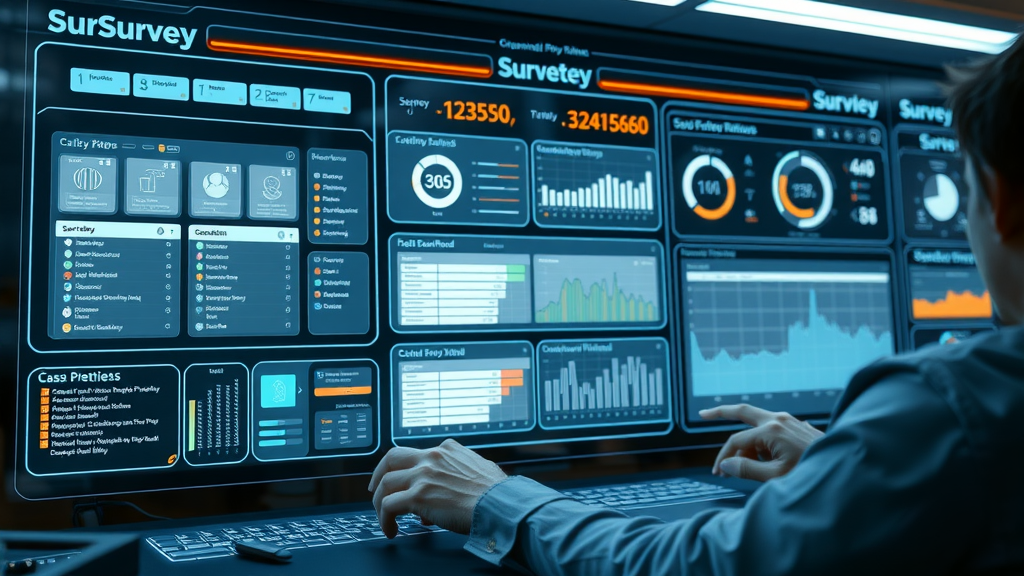
best online survey platforms for collecting customer feedback

For scalable, systematic feedback collection, online survey platforms are essential. Solutions like SurveyMonkey, Typeform, Google Forms, and Qualtrics allow businesses to collect customer input at every stage of the customer journey. These platforms offer robust templates, analytics dashboards, and integrations that enable you to capture both quantitative data and compelling customer stories. By choosing the right survey tool, you can craft custom questionnaires that aggregate valuable insights, helping you continuously refine your user experience .

Modern survey solutions also offer mobile optimization, A/B testing for questions, and advanced segmentation to pinpoint trends within different audience groups. Whether you want a quick pulse survey or a deep-dive research project, today’s best platforms make the feedback process frictionless for both customers and brands—and unlock actionable insights with every response.

Automation Tools for Seamless Customer Experience

Automation is revolutionizing customer feedback management. With tools like HubSpot, Zendesk, and Intercom, you can route online surveys, send follow-up emails, and gather feedback across multiple channels without manual effort. Automation ensures no feedback falls through the cracks—it organizes survey responses, tags urgent issues, and connects dissatisfied customers with solutions on the spot.

Implementing automation not only speeds up response times but also supports a consistent and scalable approach to feedback collection . These systems let you quickly detect common pain points, escalate high-priority problems, and empower your support team to close the feedback loop swiftly. Over time, this leads to higher customer satisfaction and a standout customer experience .

Integrating Social Media Channels for Real-Time Customer Feedback

Social media platforms like Twitter, Facebook, and Instagram are goldmines for real-time customer feedback . By integrating social listening tools and feedback dashboards with your social accounts, your brand can monitor mentions and respond to both praise and criticism as it happens.

Leveraging these channels for feedback allows brands to demonstrate genuine care, address issues proactively, and build a vibrant public reputation. Social channels not only provide direct access to customer sentiment but also encourage open conversations that highlight your commitment to service and transparency. As a result, brands that are active in these spaces see their customer loyalty and retention rates climb.

Metrics That Matter: Analyzing Online Customer Feedback

Key Performance Indicators for Feedback Collection

analyzing online customer feedback with net promoter score and customer effort score dashboards

Proper analysis of online customer feedback begins with the right KPIs. Metrics like the Net Promoter Score (NPS) —which asks customers how likely they are to recommend your business—are powerful indicators of overall sentiment and loyalty. Customer Effort Score (CES) measures how easy it is for customers to complete interactions, while star ratings and satisfaction survey results reflect immediate experience quality.

Decide early which KPIs matter most for your goals. Are you focused on improving customer loyalty, driving repeat purchases, or reducing friction points in the customer journey? Regularly reviewing KPIs keeps your team aligned, highlights both wins and areas for growth, and ensures data-driven decision-making. By consistently tracking and optimizing these indicators, you supercharge both the customer experience and business performance.

Measuring Customer Satisfaction, Loyalty, and Effort

“Not all feedback is created equal. Knowing which metrics to track in your online customer feedback strategy is crucial for growth.” – CX Analyst

Every piece of feedback offers a snapshot into some aspect of your customer experience . Net Promoter Score reveals brand advocacy, while Customer Effort Score pinpoints process pain points. Online review ratings reflect your public reputation, and satisfaction surveys drill down into specific service or product moments. Each metric tells a different part of your customer’s story.

For actionable results, combine your metrics. Regularly measure and cross-reference NPS, CES, and satisfaction scores with open-ended responses. This holistic view exposes not only what’s working—but also what needs urgent improvement—empowering you to strengthen user experience and foster deeper loyalty with every interaction.

Customer Feedback Metric Breakdown
Customer Feedback Metric Description Impact
Net Promoter Score Likelihood to recommend Brand advocacy
Customer Effort Score Ease of customer journey Friction reduction
Online Review Ratings Public sentiment Reputation management
Satisfaction Surveys Direct experience insights Service improvements

The Feedback Loop: Turning Online Customer Feedback into Actionable Insights

  1. Monitor: Constantly review online feedback from all platforms
  2. Analyze: Break down quantitative data and identify customer pain points
  3. Act: Implement process changes based on grounded insights
  4. Respond: Close the feedback loop with timely customer communications
  5. Refine: Continuously improve customer experience based on new data

feedback loop steps for online customer feedback and business improvement

Addressing Criticism: How to Convert Negative Feedback into Positive Customer Experiences

empathetic support agent managing negative online customer feedback

Effective Communication Strategies for Managing Criticism

When dealing with negative online customer feedback , communication is everything. Always acknowledge the feedback publicly—whether through an online review response, social media comment, or follow-up email. Apologize sincerely if warranted, explain corrective actions, and thank the customer for sharing their experience.

Taking disputes offline (inviting the customer to private message, email, or call) shows you value their input and privacy. This approach not only diffuses public tension but also demonstrates your commitment to resolving issues. Proactive, transparent communication can turn a disgruntled customer into your staunchest advocate, especially when they see real change stemming from their words.

Embracing the Voice of the Customer for Transformative Change

diverse customers providing online feedback, voice of the customer

Acting on the voice of the customer is essential for sustainable growth. This means going beyond collecting customer feedback—it involves a genuine willingness to listen, empathize, and implement changes based on your customers’ needs. When customers see their input integrated into product updates, service policies, or support systems, their connection with your brand deepens.

Companies that prioritize the voice of the customer outpace their competitors. By making visible improvements based on feedback—whether it’s launching a feature customers requested or revamping a pain point in your process—you show customers their opinions truly matter. This approach is the fastest way to elevate customer satisfaction and secure long-term loyalty.

Cultivating Customer Loyalty through Proactive Response

“Every negative online review is an opportunity to display your commitment to customer satisfaction.” – Customer Service Expert

Proactively addressing criticism doesn’t just resolve issues—it often surprises and delights dissatisfied customers, turning them into loyal brand advocates. By following up after a complaint is resolved, asking for feedback on the resolution experience, or delivering thoughtful gestures like discounts or VIP access in response to sincere concerns, you show that customer feedback shapes your business.

Employees should be empowered to act quickly and decisively. Even a simple acknowledgement or a personalized thank-you note can shift perceptions from negative to positive, reinforcing that every customer’s satisfaction is your top priority.

Frequently Asked Questions about Online Customer Feedback

What is an example of a good customer feedback?

A well-crafted customer feedback example includes specific details, actionable suggestions, and showcases positive customer experiences—for example: “Loved the quick response from your support team, but the checkout process was confusing. A step-by-step guide would help.”

What is an online customer review?

An online customer review is feedback provided by consumers publicly, typically on platforms like Google, Yelp, or product sites, directly reflecting customer satisfaction and brand experience.

What are 5 methods of obtaining feedback from customers?

1. Online surveys 2. Social media messages 3. Direct emails 4. In-app surveys 5. Customer support chats

What are the online customer review sites?

Top online customer review sites include Google Reviews, Yelp, Trustpilot, TripAdvisor, and Facebook Reviews.

Common Mistakes to Avoid When Collecting Customer Feedback Online

  • Ignoring customer effort in feedback forms
  • Relying solely on quantitative data, neglecting qualitative responses
  • Lack of follow-up communication with respondents
  • Failing to utilize multiple feedback collection channels
  • Overlooking trends in negative online reviews

Case Studies: Brands That Elevated Customer Experience with Online Customer Feedback

business leaders celebrating success with online customer feedback and growth charts
“After integrating a feedback loop, our airline reduced customer complaints by 47% and increased loyalty scores.” – Airline Executive

A global airline faced rising customer complaints about check-in delays and communication gaps. By integrating a robust feedback loop using real-time online surveys and customer effort score tracking, they uncovered key bottlenecks and addressed them head-on. After launching an analysis-driven improvement project, complaint rates fell by 47% and net promoter scores soared, proving that even legacy businesses can become agile with the right feedback strategies.

Likewise, a retail chain implemented omnichannel feedback tools—including email surveys, review site monitoring, and social media feedback loops. By continuously measuring both quantitative data (like NPS and satisfaction rates) and qualitative comments, they identified new service gaps and innovated faster than the competition. Customer loyalty programs based on feedback-driven insights saw record engagement, solidifying the brand’s reputation as truly customer-centric.

Summary of Key Takeaways for Maximizing Online Customer Feedback

  • Be proactive in feedback collection through omnichannel strategies
  • Prioritize both customer satisfaction and loyalty metrics
  • Close the feedback loop for continuous process improvement
  • View criticism as a gateway to stronger customer relationships

Ready to Transform Your Business with Powerful Online Customer Feedback?

Your next customer is searching online right now—can they find you? Schedule a free strategy session and let’s make your business the one they connect with. Book your free marketing strategy with our team today. Call: 314-560-4642 or visit: https://marketingconnectionsllc.com/get-in-touch

To further enhance your understanding of online customer feedback and its impact on business growth, consider exploring the following resources:

  • “15 Best Customer Feedback Tools in 2025 [Guide + Use Cases]” : This comprehensive guide by Typeform reviews top customer feedback tools, offering insights into their features and practical applications. It’s an excellent resource for selecting the right tools to gather and analyze customer feedback effectively. ( typeform.com )

  • “16 Best Customer Feedback Tools [2024]” : Dovetail’s article provides an in-depth look at various customer feedback tools, highlighting their advantages and ideal use cases. This resource can help you understand how different tools can be integrated into your feedback collection strategy. ( dovetail.com )

By leveraging these resources, you can gain valuable insights into selecting and utilizing customer feedback tools that align with your business objectives, ultimately enhancing customer satisfaction and driving growth.


Online Reputation Management

0 Comments

Write A Comment

*
*
Please complete the captcha to submit your comment.
Related Posts All Posts

Enhancing Online Brand Reputation with Reputation Management Service in the Digital Era

Daryl Sawyer on Why Reputation Management Service is Crucial for Today’s Businesses In today’s hyper-connected world, online brand reputation defines whether your business thrives or fades into obscurity. Modern consumers scrutinize a company’s reputation long before reaching for their wallets, and digital word-of-mouth can catapult—or cripple—your credibility overnight. Against this backdrop, Daryl Sawyer, of Marketing Connections LLC, stands as a guiding authority on building and protecting a business’s most valuable digital asset: its reputation. “Your reputation precedes your offer,” Sawyer insists. As someone who helps transform organizations into digital powerhouses, Sawyer has witnessed firsthand the seismic impact of even a single review, social post, or outdated website. His career is a testament to how a tailored reputation management service can put small businesses and brands in the driver’s seat, enabling them to attract, engage, and convert today’s discerning customers. In this article, Sawyer unpacks practical insights and “aha moments” that every business leader need to hear to strengthen their brand trust—and ensure every online search yields nothing but confidence. "Most consumers look at their reputation before making a decision to purchase." – Daryl Sawyer, Marketing Connections LLC The Core Challenge: Keeping Your Reputation Fresh and Relevant The digital landscape is ruthless when it comes to first impressions. Daryl Sawyer emphasizes that the absence of recent reviews or updated content on a business’s website and social channels can be as damaging as negative feedback itself. “If people see stale content or no new reviews,” Sawyer explains, “they often assume the business is inactive, unreliable, or even closed. ” With consumers increasingly relying on Google Reviews, Facebook pages, and current blog posts during their purchase journey, maintaining freshness and relevance is no longer optional—it’s essential for survival. According to Sawyer, one of the biggest hurdles businesses face is the tendency to let their digital presence go dormant. Whether due to lack of time, resources, or know-how, failing to update online touchpoints signals neglect. In the eyes of both search engines and customers, this erodes trust rapidly. Fresh reviews and active engagement, on the other hand, not only boost search engine ranking but also reassure prospects that the business is vibrant and responsive. The message is clear: “Not having fresh reviews or updated websites and social media content makes businesses look like they are no longer active. ” For businesses aiming to convert online traffic into loyal customers, regular content and review generation is a non-negotiable pillar. "Not having fresh reviews or updated websites and social media content makes businesses look like they are no longer active." – Daryl Sawyer, Marketing Connections LLC How Reputation Management Service Drives Tangible Business Growth For Sawyer, reputation management isn’t just about damage control. The real power lies in leveraging these services to spark measurable business growth. Having guided numerous clients through transformative digital journeys, Sawyer shares that online reputation building is most effective when it’s a proactive, ongoing strategy—blending technology, customer engagement, and storytelling into a cohesive brand experience. “A strong reputation turns browsers into buyers and strangers into advocates,” he notes, highlighting how strategic reputation building results in more visibility and greater trust in the marketplace. This philosophy is at the core of Marketing Connections LLC’s client partnerships. By demystifying the process, they enable startups and established companies alike to take straightforward steps—like optimizing Google Business Profiles and requesting customer reviews—that yield exponential returns. Sawyer urges leaders not to underestimate the compounding effect: businesses with recent, authentic reviews and regularly updated platforms consistently attract more inquiries, referrals, and repeat business than their stagnant competitors. According to Daryl Sawyer, empowering businesses with the tools and guidance to manage their reputation is a critical investment in sustainable growth. Case Study: From Startup to Trusted Brand with Google Business Profile and Customer Reviews Sawyer recounts a recent client who was just setting out in their business journey, uncertain about how to establish a credible digital footprint. “We helped a startup client establish their Google Business Profile and implement review requests, resulting in increased business through improved reputation,” Sawyer recalls. The process began with setting up a robust digital profile, followed by coaching the client on how to ask satisfied customers for honest feedback and ensure every customer experience was worthy of five stars. In a matter of weeks, the once-anonymous business grew noticeably in local search presence. Each new review amplified trust—not just with Google, but with every prospective customer scouting their reputation online. According to Sawyer, the key was linking operational excellence with a reputation management service’s ability to make that excellence visible, quantifiable, and accessible to anyone choosing where to spend their money. When strategy meets execution, the results speak for themselves: better ratings, more credibility, and a steady stream of new business opportunities. "We helped a startup client establish their Google Business Profile and implement review requests, resulting in increased business through improved reputation." – Daryl Sawyer, Marketing Connections LLC Set up and optimize Google Business Profile for visibility Encourage satisfied customers to leave fresh reviews Engage by responding promptly to all customer feedback Regularly update website and social media channels with fresh content Key Takeaways: Best Practices for Effective Reputation Management Service Throughout every stage of implementing a reputation management service, Sawyer returns to three non-negotiable best practices. First, generating fresh, authentic reviews must be a top priority; this not only boosts search engine credibility but signals to new customers that your business is active and valued by its community. Second, your digital presence requires curated, current content—be it on your website, in your blog, or across social channels—so audiences (and search engines) see a business that’s alive and thriving. Finally, ongoing engagement is indispensable. Responding thoughtfully to both praise and complaints demonstrates transparency, accountability, and a genuine investment in customer outcomes. “Fresh content, active review solicitation, and attentive customer interactions are critical to maintaining a strong online reputation,” says Sawyer. Effectively, these practices not only mitigate potential crises but also position your brand as a trusted leader within your industry or local community, leading directly to enhanced loyalty and conversion rates. "Fresh content, active review solicitation, and attentive customer interactions are critical to maintaining a strong online reputation." – Daryl Sawyer, Marketing Connections LLC Prioritize generating fresh customer reviews to boost credibility Maintain updated content on websites and social platforms to signal business vitality Respond to reviews constructively to build trust and engagement Common Misconceptions About Online Reputation Management Service Sawyer is quick to debunk several costly myths that persist among small business owners and marketing managers. One common misconception is the belief that reputation management service is a one-time effort—a “set it and forget it” solution. “This mindset overlooks the dynamic nature of digital platforms,” he says. In reality, reputation is an ongoing process that demands consistent nurturing and agile response to changing audience expectations. Another frequent error is dismissing the role of fresh content in SEO. Regular updates and new reviews are powerful signals to algorithms and can significantly influence local search rankings—meaning neglecting these areas can push your business down the results page, even if you’ve never had a bad review. Finally, ignoring the feedback loop—choosing not to engage with online reviews—misses opportunities to convert dissatisfied customers into loyal advocates and to strengthen public trust. For Sawyer, tackling these misconceptions head-on is the key to unlocking the real potential of online reputation management. Believing reputation management is a one-time fix rather than an ongoing process Underestimating the impact of fresh content on search engine rankings Ignoring the value of engagement in customer reviews and feedback Next Steps: Empower Your Business with Reputation Management Service Today If you want your business to thrive in today’s crowded digital landscape, investing in a robust reputation management service is not optional—it’s a foundation for measurable growth and lasting brand trust. According to Daryl Sawyer, this proactive strategy pays dividends by improving visibility, building credibility, and turning every online interaction into an opportunity for connection. The digital era rewards those who lead with transparency, responsiveness, and continual improvement. Sawyer’s closing thought is unambiguous: “A proactive reputation management service is a critical investment that directly contributes to measurable business growth and brand trust in the digital era. ” Whether you’re a small business owner, a marketing director, or a startup founder, the path forward is clear—maintain fresh content, foster customer satisfaction, and treat every review as a stepping stone to long-term success. Ready to Make Your Brand the Go-To Choice? Your next customer is searching online right now—can they find you? Schedule a free strategy session and let’s make your business the one they connect with. Book your free marketing strategy with our team today. Call: 314-560-4642

Reputation Management Service Strategies to Build Trust and Online Brand Reputation

For small business owners, marketing directors, startup founders, and brand managers, the sheer impact of online reputation is undeniable. Every new review, every customer interaction, and each digital impression shapes how customers perceive your business. But what separates brands that turn this reality into exponential growth from those that struggle under the weight of negative feedback or silence? The answer lies in mastering modern reputation management service strategies—an art form that, when executed right, positions your brand to win trust and attract more customers at scale.To unpack the blueprint for reputation success, we turn to Daryl Sawyer, founder of Marketing Connections LLC, a seasoned authority in digital trust-building. Through actionable insights and real-world wisdom, Daryl reveals not just why reputation management services matter but how you can harness them as a catalyst for sustainable growth and credibility.Daryl Sawyer Reveals the Core Challenge in Reputation Management Service for Small Businesses"The biggest challenge is that businesses don't have a system to alert them when they're getting positive or negative reviews, and often only unhappy customers leave feedback." — Daryl Sawyer, Marketing Connections LLCAccording to Daryl Sawyer, the first and most persistent roadblock in effective reputation management service is a lack of a proactive framework for monitoring and responding to customer feedback. Many businesses, he explains, are caught off guard by the occasional negative review, while satisfied clients remain silent. This uneven dynamic can quickly skew public perception, tilting it unfavorably even if your silent majority of customers is delighted.Sawyer emphasizes the urgency of disrupting this pattern by creating failproof notification systems—solutions designed to instantly alert owners to new online reviews, both positive and negative. When small businesses rely on happenstance or sporadic reviews, negative voices often dominate. Proactive monitoring transforms the feedback landscape, ensuring a balanced, real-world reflection of customer experience that fuels trust and growth.Why Reputation Management Service Is Critical in Today's Digital Age"About 90 percent of people looking to do business check reputation as a primary factor before contacting anyone." — Daryl Sawyer, Marketing Connections LLCIn today's search-driven marketplace, reputation management service is no longer optional—it's a linchpin of business survival. As Sawyer notes, roughly 90% of prospective clients research a company's online reputation before ever reaching out. This staggering statistic points to a profound shift in buyer behavior: before your elevator pitch, your service demo, or your pricing, reputation speaks first and loudest.For small businesses vying for attention in crowded markets, the implications are transformative. An abundance of high-quality, recent online reviews immediately signals to potential clients that your business is engaged, reliable, and valued by others. Conversely, the absence of reviews—or worse, a negative trend—can create a barrier that not even the best marketing campaign can breach. According to Daryl Sawyer, recognizing this reality is the first step toward mastering brand visibility and credibility in the digital age.How Consumers Rely on Online Reviews for Trust and Decision-MakingConsumers today are empowered with instant access to an ecosystem of reviews on platforms like Google, Yelp, and Facebook. They don't just glance at star ratings—they comb through detailed feedback, seeking insights that make them feel confident in their purchasing decisions. Reputation management services aren't simply about damage control; they're about proactive trust-building at every touchpoint.Sawyer highlights that customers, regardless of demographic, use reviews as a trusted shortcut for evaluating reliability, professionalism, and quality. A single, well-documented positive experience can serve as a persuasive testimonial, while serial dissatisfaction—public and unaddressed—can trigger irreversible brand aversion. By guiding your brand's narrative via systematic reputation management service, you ensure that the story customers discover is both accurate and compelling.Effective Reputation Management Service Strategies Proven to Drive More Customer EngagementImplementing a Seamless Review Solicitation Process"Business owners who ask customers for reviews immediately after service and guide them on how to leave feedback see a significant increase in positive reviews and client contacts." — Daryl Sawyer, Marketing Connections LLCAsk for reviews promptly after completing serviceGuide customers through quick review submission stepsPrioritize customer satisfaction for authentic positive feedbackMonitor reviews regularly using a proactive systemOne of the most powerful levers in a successful reputation management service strategy is the implementation of a seamless review solicitation workflow. According to Daryl Sawyer, the businesses that see the fastest transformation are those who don't leave feedback to chance. Instead, they initiate the request for a review at the moment of peak satisfaction—right after the service is delivered.What truly sets the top-performing companies apart is their willingness to walk customers through the review process. They don't just ask, but provide an easy path, often by showing customers exactly how to submit feedback using digital devices. This focus on both timing and accessibility cuts friction, boosts review volumes, and ensures that positive experiences find their voice online. According to Sawyer, this approach not only accelerates reputation building but directly influences the number of leads generated—the more current, authentic reviews, the more new clients take that all-important first step to connect.The Single Most Important Reputation Management Service Tactic to Build Lasting Trust"Make sure whoever provides the product or service reminds customers to leave a review and ensures their satisfaction." — Daryl Sawyer, Marketing Connections LLCWhy Reminders and Satisfaction Matter More Than You ThinkSawyer’s expert perspective is crystal clear: The ultimate key to lasting trust isn't just in the collection of reviews but in the proactive reminder and assurance of customer satisfaction at every touchpoint. The act of explicitly reminding clients to share their experience—paired with a dedication to real satisfaction—signals that your business genuinely values transparency and accountability.According to Daryl Sawyer, this simple but potent strategy closes the loop between service and feedback. If your team internalizes the discipline of asking for reviews and ensuring delight, you create a self-sustaining cycle: more happy customers share their stories, building a credible online presence that organically attracts more business. This tactic goes beyond mere mechanics; it embeds a culture of customer-centricity that defines truly outstanding reputation management service.Common Misconceptions and Actionable Tips for Reputation Management Service SuccessMisconception: Only Unhappy Customers Leave ReviewsA frequent and damaging myth in the reputation management service world is the belief that online reviews naturally attract negativity. While it's true that unhappy clients may feel more compelled to share grievances, Daryl Sawyer stresses that this perception is a barrier businesses can overcome with the right systems. When review requests are treated as an afterthought, the reviews you receive will never reflect the silent majority who appreciate your work.Sawyer's experience shows that satisfied clients—if asked clearly and at the right time—are just as willing to advocate for your business publicly. The expert's perspective is that businesses must proactively guide reviews from all customers, not just the outspoken few. By cultivating this balanced approach, organizations can shift the narrative, showcasing the full spectrum of genuine customer experiences.Tip: Establishing a Review System Balances Customer Feedback and Enhances Brand PerceptionAccording to Daryl Sawyer, the single most effective step businesses can take today is to install a proactive review system. This means streamlined mechanisms for collecting, monitoring, and responding to both positive and negative feedback—ideally, real-time notifications that empower you to act quickly. This transparency isn't just a defensive move; it's a tactical advantage, signaling to prospects that you’re attentive and invested in the client experience.When customers see regular, timely engagement from the business—thanking them for praise, addressing concerns publicly—they interpret it as a mark of professionalism and care. This feedback loop reinforces brand trust, encourages future engagement, and cements a favorable online presence. According to Daryl Sawyer, “A proactive review system doesn’t just level the playing field; it intentionally tilts it in your favor, ensuring your reputation authentically represents your best work.”Summarizing Daryl Sawyer's Expert Blueprint for Reputation Management ServiceBuild a proactive review monitoring and solicitation systemEncourage satisfied customers to share positive feedbackUse reputation as a strategic driver for business growthRegularly engage with reviews to build transparency and trustAccording to Daryl Sawyer, these actionable pillars aren’t just checkboxes—they’re a proven formula for lasting online brand reputation and increased client engagement. Businesses that embrace a reputation management service strategy grounded in these principles witness measurable growth, stronger client relationships, and a presence that outshines the competition. The journey begins not with grand gestures, but with consistent, focused, customer-first actions.Your Next Step: Strengthen Your Reputation Management Service TodayAre you ready to transform your business’s credibility and customer trust? Start today by mapping out a review monitoring plan, assigning clear responsibility for review solicitation, and ensuring every client receives a prompt to share their experience. The sustained attention to customer feedback, from solicitation to response, will elevate your reputation management service—and your brand—with every new review and every satisfied customer.Let Daryl Sawyer’s expert blueprint be your guide: Make review requests standard practice and nurture customer satisfaction with every interaction. The result? An online reputation that works tirelessly for your business—attracting and converting trusted clients around the clock.

Reputation Monitoring Tools You Can’t Afford to Miss

Imagine losing a customer before you’ve even spoken to them. Startling, right? Here’s the truth—91% of consumers read online reviews, and 84% trust them as much as a personal recommendation. In today’s competitive landscape, your online reputation isn’t just your brand image—it’s the lifeline of your business. Reputation monitoring tools have become not only an asset, but a necessity for organizations that want to stay ahead, manage feedback, and transform customer sentiment into growth. Unlocking Online Reputation: Why Reputation Monitoring Tools are Essential in 2024 Did you know? 91% of consumers regularly or occasionally read online reviews, and 84% trust them as much as personal recommendations. Your online reputation isn’t just an asset—it’s your business lifeline. In this listicle, discover must-have reputation monitoring tools that empower you to manage your brand reputation, respond in real-time, and dominate competitive markets. What You Will Gain by Using Reputation Monitoring Tools Protect your brand reputation through continuous monitoring Get real-time alerts for brand mentions and online reviews Learn how to select the right reputation management tool for your business See visual comparisons of top tools with pricing, features, and support Discover expert tips and best practices for online reputation management Understanding Reputation Monitoring Tools and Their Impact on Brand Reputation "Your brand is what people say about you when you’re not in the room." — Jeff Bezos Defining Reputation Monitoring & Its Place in Online Reputation Management Difference between reputation monitoring tools and traditional management tools: Traditional management tools focus on internal operations like project management; reputation monitoring tools zero in on your external presence, tracking brand mentions , reviews, and overall customer sentiment in real time. The role of social media in online rep and brand image: Social media channels have become critical review sites themselves—where a single post can go viral. Monitoring these platforms is key to maintaining a positive brand image and leveraging influencer-generated content. How real-time monitoring increases customer trust: By responding swiftly to online reviews and feedback, brands demonstrate attentiveness, building stronger customer trust and preventing small issues from becoming crises. Tables: Core Features of Top Reputation Management Tools Tool Real-time Monitoring Social Media Tracking Review Response Automation Alert Systems Pricing Tiers Integration Capabilities Brand24 Yes Extensive No Email/SMS $ CRM/Social Mention Yes Strong No Email/App $$ Slack, Zapier Reputology Yes Moderate Yes Email $$ CRM/Email Birdeye Yes Full Yes Email/SMS $$$ CRM/Email Top 15 Reputation Monitoring Tools to Watch in 2024: Comprehensive Comparison Brand24: Best for real-time social listening and advanced sentiment analysis Mention: Versatile coverage for social media and web brand mentions Reputology: Specialized reputation management tools for multi-location businesses Google Alerts: Free, basic online reputation management tool Birdeye: All-in-one monitoring tool with automated review requests Hootsuite Insights: Social media-centric management tool Yext: Reputation monitor with directory listing management Trustpilot: Consumer review platform doubling as a brand reputation booster Sprout Social: Social and reputation monitoring integrated ReviewTrackers: Monitoring tool with advanced analytics Awario: Real-time brand reputation monitoring and competitor analysis SentiOne: Automated social listening and sentiment reporting Chatmeter: Localized online rep management tool Brandwatch: Enterprise-focused brand mention analytics NetReputation: Reputation management service for individuals and businesses Tool Best For Key Features Pricing User Support Brand24 SMBs, agencies Real-time alerts, sentiment analysis $59+/mo 4.7/5 Mention Digital brands Social media tracking, automation $41+/mo 4.5/5 Birdeye Enterprises, multi-location Automated review requests, CRM integration Custom 4.6/5 Trustpilot E-commerce User review aggregation, analytics $0 (basic) 4.2/5 Video Spotlight: How to Choose the Best Reputation Management Tool for Your Brand Choosing the best reputation management tool means aligning technical needs (real-time alerts, social tracking, integrations) with your operational realities. Watch expert reviews on YouTube for hands-on walkthroughs of each tool’s dashboard and features to ensure you invest in a monitoring tool that fits your growth strategy. Decoding Online Reputation Management: How Reputation Monitoring Drives Results How Reputation Monitoring Tools Strengthen Online Rep Monitor reviews across all key channels: From review sites to social media, these reputation monitoring tools aggregate every customer review for complete visibility. Detect and address negative feedback in real time: Automated alerts mean you can respond immediately to complaints or negative press, protecting your brand reputation . Leverage online reputation insights for business growth: Sentiment analysis transforms raw data into actionable insights so brands can adapt, improve customer service , and stay ahead of the competition. Maximize brand reputation with integrated management tools: A unified dashboard enables seamless review responses, performance tracking, and workflow collaboration. Online Reputation Tactics: Prevention vs. Response Risk reduction through proactive monitoring: Set up automated alerts to catch issues before they escalate, and continually survey your online presence . Best practices: online reputation management and reputation monitoring alignment: Combine real-time monitoring with established reputation management policies to maintain credibility on every review site and social channel you operate. Expert advice: reputation management tool strategies for 2024: Select management tools that offer robust data integration, intuitive dashboards, and automated workflows to ease the maintenance of your online reputation . What Makes Reputation Monitoring Tools Stand Out? Key Features Explained Automated real-time alerts for brand mentions ensure no feedback goes unnoticed. Multi-channel review management tools give control over reviews from dozens of platforms. Comprehensive sentiment and trend analysis allows brands to react according to customer emotion and market perception. Reputation monitoring dashboards & analytics harness data for informed decision-making. Collaboration and workflow capabilities for teams let large companies delegate tasks and maintain response consistency. Feature Available In Description Real-time Alerts Brand24, Mention, Awario Instant notifications for brand mentions and negative reviews Social Media Monitoring Sprout Social, Hootsuite, Brandwatch Track discussions and posts about your brand across all major channels Sentiment Analysis Brand24, SentiOne, Awario Analyze positive, neutral, and negative trends to shape your response Team Collaboration Birdeye, Sprout Social Assign roles and automate internal workflows for faster customer review handling Social Media and Brand Mentions: Core Elements of Modern Reputation Monitoring Harnessing Social Media as a Reputation Monitor Tracking brand mentions across channels: Today, social media is both a review site and a news feed; tracking brand buzz in real time means you’ll never miss a key conversation or emerging crisis. Responding to real-time social reviews: Fast, relevant responses to customer feedback boost public trust and enhance your online presence . Role of influencers and UGC in brand reputation: Monitoring influencer-driven posts and user-generated content allows brands to harness positive advocacy and quickly mitigate the spread of negative sentiment. Integration with Management Tools: Maximizing Online Reputation Performance How to Connect Your Reputation Management Tools with CRM and Marketing Platforms Automating review requests: Integrated tools let you prompt recent customers for reviews via email or SMS, improving your presence on every relevant review site . Centralized management dashboards for online reputation management tool synchronization: Combine feedback from multiple sources— social media , web, email—within one platform for a full 360 view and faster action. Case studies: Brands using integrated monitoring tools for superior brand image: Example: an e-commerce brand more than doubled positive feedback after syncing its reputation monitor with marketing automation, leading to a more robust brand image . Data-Driven Success: Using Analytics in Reputation Monitoring Tools Translating review trends into actionable insights: Monthly analytics reveal which products, services, or locations earn the best feedback—so you can double down on what works. Using sentiment analysis for competitive benchmarking: Side-by-side sentiment analysis versus industry competitors guides strategy updates and sets realistic goals for reputation improvement. Real-time reporting: Stay ahead of reputation management crises: Rapid fire dashboards and custom reports keep teams in the loop—spotting dangerous spikes in negative sentiment before your brand reputation takes a hit. How to Implement Reputation Monitoring Tools for Your Business Step-by-step setup for new users: Start by identifying the main platforms your audience frequents, then connect and authenticate those channels in your chosen reputation management tool . Best practices for onboarding your team: Develop clear protocols for monitoring, review response, and regular analytics tracking; assign roles and set up permissions to avoid confusion. Maintaining consistency and accuracy in monitoring: Schedule regular reviews and ensure your management tools cover all your online assets. Lists: Steps for Efficient Online Reputation Management Implementation Define your brand reputation goals Select the best-fit reputation management tool Integrate with your CRM, social, and web assets Configure real-time monitoring alerts Train your team on online reputation monitoring practices Review analytics and optimize monthly Case Studies: Reputation Monitoring Tools in Action for Online Rep Success Hospitality brand recovers from negative viral event using real-time monitoring tool: After a viral incident, rapid alerting let the PR team respond within minutes, turning negative coverage into increased appreciation for transparency and customer service. Professional service firm grows client trust through responsive reputation management tools: By aggressively monitoring client feedback and automating review requests, trust scores and inbound inquiries soared. E-commerce company increases conversions with review monitoring and sentiment analysis: Implementing a robust review management tool boosted average ratings—directly leading to more checkouts and higher average order values. "Our business reputation was saved when we implemented an AI-driven monitoring tool—now we never miss a mention." Comparing Top Reputation Management Tools: From Features to Value Tool Real-time Monitoring Brand Image Enhancement Customer Support Integration Ease Pricing Structure Brand24 Yes Good Excellent High Subscription (tiered) Birdeye Yes Excellent Outstanding Moderate Custom Quote Mention Yes Good Very Good Easy Monthly/Annual Future Trends: The Evolution of Reputation Monitoring and Management Tools AI-powered sentiment detection and predictive analytics: Next-level reputation tools harness artificial intelligence to spot trends and predict PR crises before they hit. Integration with voice and video channels: Monitoring expands beyond text—audio and video reviews are analyzed for more complete coverage. The rise of proactive crisis prevention in reputation monitoring: Advanced prediction models recommend action before negative sentiment turns viral. Using online reputation management tools for global brand reputation initiatives: Multinational brands are adopting enterprise-scale systems to track and improve brand reputation worldwide. People Also Ask: Expert Answers to Common Reputation Monitoring Questions What is a reputation management tool? A reputation management tool is a specialized software solution designed to monitor, analyze, and improve the online rep and brand image of a business by collecting reviews, tracking brand mentions, and automating customer engagement. How do you measure reputation? Reputation is measured through sentiment analysis, review scores, volume of positive vs. negative feedback, social media engagement metrics, and brand mentions frequency as aggregated by reputable reputation monitoring tools. Which platform is best for reputation management? The 'best' reputation management platform depends on your business needs: Brand24 and Mention excel at real-time brand monitoring, Birdeye is strong for multi-location services, and Sprout Social integrates monitoring with social management tools. What are the three categories of tactics for reputation management? Reputation management breaks down into proactive monitoring, reactive response to feedback, and strategic reputation building through content, outreach, and consistent customer engagement. Frequently Asked Questions About Reputation Monitoring Tools How often should you review your online reputation dashboard? Can reputation monitoring tools integrate with email marketing platforms? Do small businesses need a professional reputation management tool, or are free options sufficient? Is there a difference between brand monitoring and reputation monitoring? Answers to Common FAQs Review dashboards at least weekly for timely responses. Most reputation monitoring solutions offer integrations with email tools and CRMs. Small businesses benefit from both free and paid reputation monitoring options—scalability matters. Brand monitoring focuses on mentions and awareness; reputation monitoring includes sentiment, feedback, and review management for overall brand reputation. Actionable Tips and Key Takeaways for Reputation Monitoring Tool Users Set up automated alerts for faster crisis response. Integrate your monitoring tool with marketing and sales channels for holistic online reputation management. Regularly export and review analytics to spot opportunities and risks. Encourage positive reviews to build a resilient brand image. Take Charge of Your Brand Reputation with the Right Reputation Monitoring Tools Your next customer is searching online right now—can they find you? Schedule a free strategy session and let’s make your business the one they connect with. Book your free marketing strategy with our team today. Call: 314-560-4642 or visit: https://marketingconnectionsllc.com/get-in-touch Conclusion: Act now—deploy the right reputation monitoring tools, empower your brand, and transform every customer interaction into an opportunity for five-star growth. To enhance your understanding of reputation monitoring tools, consider exploring the following resources: “8 Tools to Effectively Monitor Your Brand’s Reputation Online” : This article provides an overview of top tools like Google Alerts, Brand24, and Hootsuite, detailing their features and how they can help in managing your brand’s online presence. ( name.com ) “Discover the Best Reputation Monitoring Tools for Online Success” : This resource offers insights into tools such as Google Alerts, Brand24, and Mention, highlighting their key features, pros and cons, and how they can be utilized for effective reputation management. ( defamationdefenders.com ) These articles provide comprehensive information on various reputation monitoring tools, assisting you in selecting the most suitable options to protect and enhance your brand’s online reputation.

Terms of Service

Privacy Policy

Core Modal Title

Sorry, no results found

You Might Find These Articles Interesting

T
Please Check Your Email
We Will Be Following Up Shortly
*
*
*