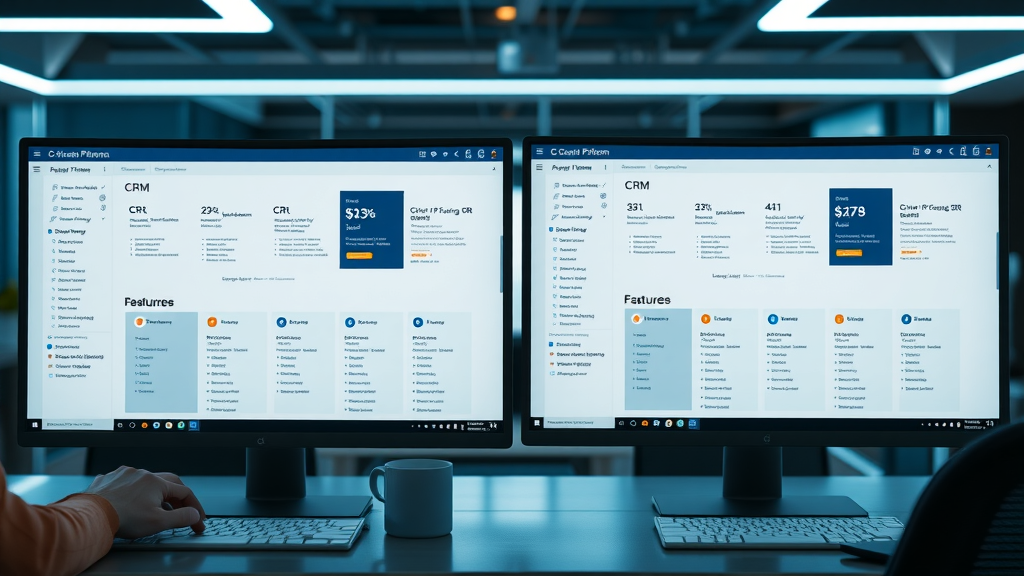
Add Row
Add Element
cropper
update

Marketing Connections LLC

cropper
update
Add Element
  • Home
  • Our Story & Values
  • Our Services
    • Reputation Management Services
    • Strategic Blog Services
    • Traffic Generation Expertise
    • Video Production & Marketing
    • Social Media Management
    • Effective Email Marketing
  • Get Connected
  • News Blog
Add Row
Add Element
cropper
update

Marketing Connections LLC

update
Add Element
  • Home
  • Our Services
  • Reputation Management Solutions
  • Our Story & Values
  • Get In Touch
  • Blog
  • All Posts
  • Digital Marketing Strategies
  • Search Engine Optimization (SEO)
  • Social Media Marketing
  • Content Marketing
  • Online Reputation Management
  • Website Design and Development
  • Email Marketing
  • Video Marketing
  • Analytics and Performance Tracking
  • Emerging Trends in Digital Marketing
June 28.2025
1 Minute Read

Unlock CRM Software Benefits to Transform Your Business

"Companies that leverage CRM software can increase sales by up to 29%, improve productivity by 34%, and enhance forecast accuracy by 42%." – Salesforce Research

Imagine growing your business by nearly one-third just by adopting the right technology. CRM software benefits go far beyond tracking customer details—they modernize your business, fuel productivity, and help teams deliver unparalleled customer service. Within this educational guide, you'll learn how the right CRM software can unlock new growth, increase efficiency, and build customer loyalty that lasts.

Understanding CRM Software Benefits: The Backbone of Business Growth

crm software benefits team reviewing CRM dashboards in modern office
  • How harnessing crm software benefits directly impacts revenue and operational efficiency
  • Key advantages over traditional relationship management methods

At its core, CRM software transforms how companies connect with their customers. Unlike outdated spreadsheets or a patchwork of notes, modern CRM systems create a single, integrated platform for managing every aspect of the customer relationship . This centralization means that valuable customer data is always accurate, up-to-date, and accessible to everyone who needs it—from sales teams to customer support and the marketing team. By using a CRM platform, organizations foster stronger customer relations , enabling better personal service while streamlining operations.

The immediate impacts are clear: teams work more efficiently, duplicate tasks are eliminated, and communication flows freely. Over time, CRM software benefits compound, leading to increased sales, better forecasting, and improved customer satisfaction. With robust relationship management tools, businesses can finally move away from reactive operations toward a proactive, data-driven strategy that's built for scalability and growth. In today's fast-paced market, investing in CRM solutions isn't just about keeping up—it's about pulling ahead.

Why CRM System Implementation Transforms Customer Relations

Exploring CRM Systems: Tools for Stronger Customer Relationships

crm systems sales representative guiding client through CRM software on tablet

To truly understand the power of CRM software benefits, consider daily customer interactions. A crm system equips sales and support teams with detailed histories, preferences, and communications—all in one place. This deep customer insight lets teams tailor each interaction, predict needs, and make customers feel uniquely valued. Unlike basic crm tools or manual processes, a modern crm platform facilitates multi-channel communication (email, chat, phone, and even social media), ensuring every touchpoint is logged, analyzed, and acted upon.

For growing businesses, a robust CRM solution means there’s no more scrambling for details or missing key follow-ups. By using a CRM system for customer relationship management, teams collaborate more effectively, sharing context and leveraging past interactions to provide fast, personalized support. The result? Increased sales conversion rates, shorter sales cycles, and higher retention. In short, CRM software helps transform good customer service into exceptional customer relationships.

As the customer journey becomes more complex, CRM systems provide the backbone for consistent, reliable, and meaningful connections. Customers appreciate organizations that remember their preferences, anticipate their needs, and resolve issues before they escalate. With a quality CRM platform, these best-in-class experiences become the norm, leading to measurable boosts in loyalty and word-of-mouth referrals.

Relationship Management: Building Trust and Loyalty with CRM Software Benefits

Relationship management goes beyond simply maintaining a contact list—it's about building trust, loyalty, and genuine connections. CRM software empowers businesses to track every interaction and milestone along the customer lifecycle, putting context at the fingertips of any team member. This means marketing teams can launch targeted campaigns based on real-time customer interests, while sales teams follow up with relevant, timely offers that resonate.

Over time, the insights gathered by CRM software paint a vivid picture of your customer base. Patterns in behavior, purchasing cycles, and support preferences emerge, enabling proactive outreach and problem resolution. This level of personalization not only improves satisfaction but also drives upselling and cross-selling opportunities. Trust is built each time a business remembers a birthday, addresses a concern swiftly, or provides relevant advice—all powered by accessible, well-organized customer information .

Ultimately, the crm software benefits in relationship management extend far beyond immediate sales. By nurturing long-term relationships, brands create advocates who return for repeat business and recommend the company to others, supporting sustainable growth through trust and loyalty.

How CRM Software Streamlines the Sales Process and Marketing Team Collaboration

CRM Platform Features Supporting Sales Teams Across the Sales Pipeline

CRM systems shine where it matters most: the challenging, often-fragmented sales process . By mapping every step of the journey inside a CRM platform, sales teams gain critical visibility throughout the sales pipeline. Automation features remind reps of key follow-ups, flag stalled deals, and provide the insights needed to prioritize high-value leads. No more missed opportunities—each stage is recorded, tracked, and optimized for success.

The ability for sales teams to collaborate in real time also leads to shorter sales cycles and higher closing rates. When one team member updates customer details or sales data, the whole crew benefits instantly. Integrated tools—like document sharing, lead scoring, scheduled reminders, and pipeline dashboards—ensure everyone is working from the same playbook. Whether it’s an initial inquiry or a contract negotiation, CRM software empowers sales teams to stay on target and execute effectively.

The crm system also enables sales managers to monitor progress, allocate resources, and identify coaching opportunities. The result? Teams that are consistently trained, supported, and focused on the most promising prospects, making sales outcomes more predictable and scalable.

CRM Solution Integration: Aligning Sales and Marketing Efforts for Measurable Results

Successful businesses know that sales and marketing must work together seamlessly—yet traditionally, these departments often operate in silos. Integrating a modern crm solution creates a unified view of campaigns, leads, and customer feedback. Marketing teams can pass qualified leads to sales at the perfect moment, while sales teams provide feedback on lead quality and closed deals, creating a feedback loop that improves targeting and messaging.

Workflow automation tools keep both teams accountable, sending reminders to the right people at the right time. Marketing gains direct visibility into campaign ROI as the CRM tracks which activities result in sales, helping optimize efforts and allocate budget. Likewise, real-time sales pipeline insights help set realistic expectations for future sales and inform campaign adjustments on the fly.

Integrating crm platforms with analytics tools, social media, and other sales technologies enhances collaboration, powered by enriched customer data . The result? Measurable improvements in conversion rates, deal sizes, and customer retention—all thanks to smarter, more collaborative workflow management.

Comparison of CRM Systems: Feature Breakdown for Sales, Marketing, and Customer Service
CRM System Sales Features Marketing Features Customer Service
Salesforce Lead scoring, pipeline tracking, automation Personalized campaigns, ROI analytics Omnichannel support, case management
HubSpot CRM Deal pipeline, sales automation, alerts Email marketing, landing pages, automation Ticketing, live chat, self-service options
Zoho CRM Email insights, AI predictions, workflow rules Social media integration, automation Multi-channel reporting, feedback tracking
Microsoft Dynamics 365 Forecasting, advanced reporting, collaboration Campaign orchestration, segmentation Knowledge base, chatbot, SLA tracking
Pipedrive Deal tracking, custom stages, reminders Basic email marketing, integrations Integrated helpdesk, notes, call tracking

Enhancing Customer Experience and Service with CRM Software Benefits

Customer Service Excellence: Using CRM Systems to Exceed Expectations

customer service crm software benefits agent responding to client using CRM software on screen

Today’s customers expect personalized support and fast resolutions. A crm system ensures every customer query is answered with context—past purchases, open cases, and service history—empowering agents to resolve issues quickly and proactively. By exceeding customer expectations, businesses set themselves apart in crowded markets and foster lasting brand loyalty.

CRM helps track customer satisfaction metrics and feedback, allowing companies to improve their services continuously. Automated case management routes inquiries to the right customer support team member, ensuring no ticket gets overlooked or delayed. This seamless service delivery, powered by a crm platform , translates to happier customers and fewer negative reviews.

With integrated knowledge bases, live chat, and even AI-driven self-service options, crm software benefits extend to every interaction, keeping customers engaged and informed at every stage of their journey.

Data-Driven Insights: Personalizing the Customer Experience with CRM Platforms

A key advantage of CRM solutions lies in their ability to analyze vast amounts of customer data . Every interaction—emails, purchases, support tickets, and even social media activity—feeds into a central database. With this knowledge, businesses can deliver tailored promotions, recommend new products, or provide proactive support based on individual preferences.

CRM platforms turn raw data into actionable insights, driving intelligent decision-making at every touchpoint. Automated segmentation helps marketing teams create impactful, targeted campaigns that resonate with specific customer groups. Meanwhile, sales teams can identify upsell opportunities and develop approaches tailored to each prospect’s needs and history.

This data-driven approach enhances the customer experience and allows organizations to anticipate trends, measure engagement, and iterate faster than ever before. Whether you’re a small business or a growing enterprise, the ability to personalize at scale is a powerful differentiator enabled only by leveraging modern CRM platforms.

Essential CRM Software Benefits for Relationship Management

crm software benefits secure cloud-based CRM dashboard customer profiles chart
  • Centralized customer data for better relationship management
  • Enhanced productivity through automation
  • Improved team collaboration and workflow efficiency

Relationship management is at the heart of every successful business. By assembling all relevant customer data—from contact details and purchase history to touchpoint tracking and sentiment analysis—a CRM tool ensures everyone in your organization is equipped to respond knowledgeably and quickly. This single source of truth reduces miscommunication, prevents lost information, and enables a seamless handoff between departments.

Operational workflows are further streamlined thanks to automation. Tasks like scheduling follow-ups, sending reminders, and updating records happen without manual intervention, freeing up time for high-value activities. Collaboration thrives as team members are easily able to share notes, assign tasks, and communicate within the CRM ecosystem.

The true CRM software benefits come into focus as customer satisfaction rises, response times drop, and your brand reputation grows. In a competitive marketplace, mastering effective relationship management with the aid of modern CRM software is a critical differentiator.

"A robust CRM system elevates the customer relationship to a strategic asset." – HubSpot CRM Analyst

Witness the transformation of customer relations in action: a national retailer adopted a modern CRM platform, integrating sales, marketing, and service teams onto a single dashboard. This move enabled them to tailor offers, coordinate support, and gain a 360-degree view of each customer. As a result, they significantly improved customer loyalty and saw measurable gains in both sales and operational efficiency.

In the video, you’ll see real-world examples of sales pipeline management, data analytics, and workflow automation that delivered results within months of CRM implementation. The case illustrates that CRM software benefits are not theoretical—they deliver tangible, scalable outcomes for organizations of every size.

Discover how investing in CRM systems can help your team turn customer relationships into a true driver of business growth and brand differentiation, setting the stage for long-term success.

Top CRM Platform Recommendations to Maximize CRM Software Benefits

  1. Salesforce
  2. HubSpot CRM
  3. Zoho CRM
  4. Microsoft Dynamics 365
  5. Pipedrive

Choosing the right crm system is crucial for realizing CRM software benefits. Salesforce stands out for customizable automation and deep analytics, while HubSpot CRM offers intuitive free tools and easy integration for growing teams. Zoho CRM shines with AI-powered insights and multi-channel communication, Microsoft Dynamics 365 seamlessly connects with popular office tools and enables global scalability, and Pipedrive is beloved for its visual sales pipeline and simplicity. Evaluate these top CRM platforms according to your business size, technical expertise, and industry needs for the best results.

Each platform supports core CRM software benefits such as relationship management, automation, collaboration, and actionable insights—enabling your team to manage customer interactions at every stage of the customer journey.

In-depth demos, free trials, and community feedback are invaluable when selecting your crm solution . Investing the time to choose wisely ensures maximum ROI and sets your organization up for future sales success.

Frequently Overlooked CRM System Features That Deliver Major CRM Software Benefits

  • Advanced analytics and reporting
  • Workflow automation tools
  • Integrated multi-channel communication
  • AI-powered recommendations

crm system features AI analytics dashboard crm software benefits futuristic workspace

While most businesses focus on tracking customer contacts and sales pipelines, truly maximizing crm software benefits means exploring advanced, often underused features. Advanced analytics and reporting provide deep insights into sales performance, customer engagement, and marketing effectiveness, allowing organizations to optimize strategies in real time.

Integrated workflow automation streamlines repetitive tasks across departments, minimizes human error, and increases productivity. Multi-channel communication integrates emails, calls, chats, and more into a single interface, ensuring no customer message is overlooked. And, thanks to advances in AI, modern CRM platforms can recommend next-best actions, prioritize leads, and even predict customer churn.

By leveraging these features, businesses are equipped to respond quickly to trends, scale efficiently, and deliver proactive service, increasing retention and loyalty. Staying ahead of the competition starts with making the most of your CRM solution’s full capabilities.

Overcoming Common CRM Software Implementation Challenges

Change Management and User Adoption in CRM Systems

crm software benefits team leader CRM adoption training meeting room

One of the biggest hurdles in realizing CRM software benefits lies in effective implementation—change management is critical. Staff must be trained on the new crm system , motivated to adopt new processes, and consistently encouraged to use the CRM platform as their single source of customer information. Involving team members early, clearly communicating the benefits, and showing how CRM helps in their daily work dramatically improves buy-in.

Executive sponsorship, gamification of onboarding, and the identification of internal "CRM champions" further enhance adoption rates. The transition period may pose challenges, but with robust training and support, teams quickly experience added efficiency and lower frustration—delivering on CRM software's promise to simplify workload and boost performance.

Resistance to new technology is normal, but with the right approach, companies foster a culture of continuous improvement, securing lasting gains in productivity and customer experience through CRM solutions.

Training, Support, and Continuous Improvement for CRM Software Benefits

Continuous training is vital for maximizing crm software benefits . As CRM platforms introduce new features or businesses grow, staff need refreshers and updates. Providing on-demand resources, live webinars, and interactive tutorials supports user confidence and encourages exploration of more advanced capabilities.

Ongoing support—both from CRM vendors and internal IT teams—ensures issues are resolved quickly, minimizing downtime and frustration. Regular reviews of workflow efficiency and adoption metrics help pinpoint where extra attention is needed.

Companies that prioritize continuous improvement foster a team culture where everyone is empowered to suggest enhancements and share best practices. This collaborative attitude turns your CRM solution into a living, evolving resource that grows with your business.

What are the benefits of a CRM?

CRM software benefits include improved customer relationships, streamlined operations, increased sales, better communication between teams, and enhanced data-driven decision making. By centralizing customer information, CRM systems empower companies to deliver personalized service and targeted marketing.
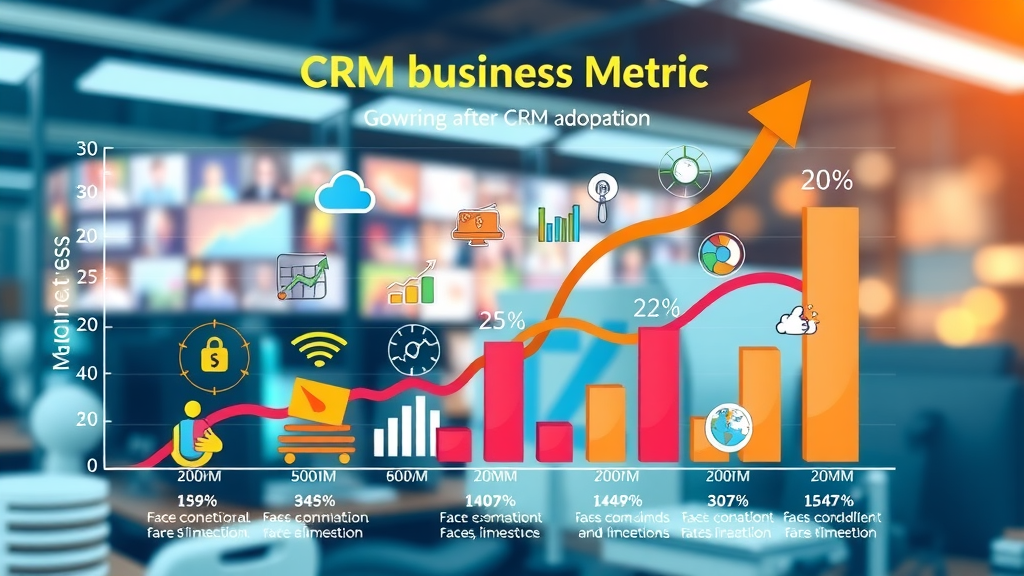
crm software benefits infographic business metrics growth chart

What is the ultimate purpose of CRM?

The ultimate purpose of CRM is to manage and nurture customer relationships, drive growth, and create lasting value through improved service, unified communication, and data management. CRM software benefits businesses by transforming interactions and maximizing every customer touchpoint.

What are three benefits of using a CRM system?

Three main CRM software benefits are: 1) Enhanced customer retention through personalized service, 2) Increased efficiency with automated workflows, and 3) Improved sales and marketing alignment for better lead management.

What is CRM software used for?

CRM software is used for storing and analyzing customer data, managing sales processes, tracking communication, automating marketing campaigns, and delivering better customer experiences throughout the customer lifecycle.

crm software used for marketer automating digital campaign through CRM interface

Video Case Example: CRM Solution in Action

Watch as a sales team seamlessly manages prospects, schedules follow-ups, and analyzes sales pipeline data within their CRM software. With clear visibility into every stage, the team is empowered to move leads faster from interest to close, all while keeping communication personal and coordinated.

This demonstration highlights how CRM solutions streamline collaboration, reinforce best practices, and capture every customer interaction. For managers and business leaders, these video case studies provide a roadmap for successful CRM adoption and lasting CRM software benefits.

By watching real teams in action, you can identify concrete tactics for training, workflow adjustments, and performance measurement that can be applied in your organization.

CRM Software Benefits Checklist for Business Leaders

  • Identify business objectives for CRM implementation
  • Assess current relationship management workflows
  • Select a CRM platform aligned with team needs
  • Invest in training and continuous support
  • Monitor performance and adapt strategies

crm software benefits checklist business leader checking CRM implementation tasks

For executives, realizing true CRM software benefits starts with preparation. Set clear goals—what do you want to improve? Examine how you manage customer information, communication, and response times today. Choose a CRM platform that matches your team’s style and growth ambitions, then invest in onboarding and ongoing training. Regularly measure effectiveness, ask for team member feedback, and adapt workflows for consistent improvement.

With this structured approach, CRM adoption is not a one-time event but a cycle of continuous refinement and value creation, ensuring long-term success.

These proactive steps not only unlock the full power of CRM solutions but also empower your team to deliver superior customer experiences that drive loyalty and business results.

Key Considerations When Choosing CRM Systems

  • Scalability and integration
  • User experience and support
  • Customization capabilities
  • Data security and compliance

Selecting a CRM system is a critical investment. Consider whether the platform can grow with your business, not just in terms of users but also integrations with other essential tools. The user experience must be clean and straightforward, minimizing the learning curve and encouraging everyday use.

Customization is key—does the system adapt to the specific needs of your team or industry? Data security is non-negotiable; ensure robust compliance features to safeguard sensitive information. Evaluating these factors helps ensure your chosen CRM delivers real and lasting CRM software benefits.

Take advantage of demos and trial periods to engage team members early and solicit feedback before making the final decision. This inclusive approach ensures widespread adoption and rapid ROI.

Actionable CRM Software Benefits for Small and Growing Businesses

Practical Steps to Unlock CRM Solution Value

For small businesses and startups, the right CRM platform is a growth accelerator. Begin by mapping your most frequent customer interactions and identifying common pain points—slow responses, lost details, or disconnected sales and marketing tools. Quickly implement a cloud-based CRM solution that lets you centralize contacts, automate basic workflows, and measure performance.

Start small: migrate existing customer data, set up simple automated email sequences, and use the CRM’s reporting dashboards to track activity. Encourage the marketing team and sales teams to document their interactions so everyone learns from real data. Over time, introduce more advanced features such as segmentation, lead scoring, or social media integration as team comfort grows.

The key: treat your CRM as a living tool. Gather regular feedback, tweak workflows, and invest in continuous training. This steady, iterative approach will help your business unlock compounding crm software benefits , moving from early efficiency gains to deep, lasting customer loyalty over time.

Comparing CRM Platforms: Which Delivers the Most CRM Software Benefits?

Side-by-side feature and pricing analysis of top CRM systems
CRM Platform Key Features Best For Starting Price (Monthly)
Salesforce Custom workflows, deep analytics, automation, AI insights Large enterprises & scaling businesses $25/user
HubSpot CRM Intuitive UI, sales pipelines, free tier, seamless marketing integration Startups & SMEs Free/$50+ for advanced
Zoho CRM AI tools, process automation, omnichannel communication Diverse industries, remote teams $14/user
Microsoft Dynamics 365 End-to-end business management, Microsoft integration, analytics Corporations & Microsoft-centric organizations $65/user
Pipedrive Visual pipelines, simplicity, activity tracking Sales-driven teams & SMBs $15/user

crm software benefits comparing CRM platforms feature pricing dashboard layout

Choosing the right tool means aligning platform features and price with your business’s current needs and growth ambitions. Evaluate sales automation, marketing integration, ease of use, and pricing before making your decision. No matter your choice, prioritizing a platform that enables team member collaboration, robust automation, and actionable insights produces the maximum CRM software benefits.

Test the waters—set up pilots with two platforms side by side if possible, gauge user preference, and review reporting capabilities before scaling your investment.

The best CRM is the one your team loves to use and that fits seamlessly into your business processes, setting a foundation for growth, alignment, and world-class customer relationship management .

Real-World Customer Relationship Management Success Stories

  • B2B firm increases retention by 25% with CRM platform
  • Retailer streamlines sales and marketing efforts, boosting revenue
  • Service provider personalizes customer experience for higher loyalty

From manufacturing and e-commerce to healthcare, companies across sectors see rapid gains after CRM system adoption. For instance, a B2B service provider used CRM-driven segmentation and personalized email campaigns to achieve a 25% improvement in client retention over twelve months. A large retailer unified its sales and marketing teams using an integrated CRM solution, increasing campaign ROI by over 30%. Finally, a regional service provider leveraged customer insights to tailor interactions, resulting in a measurable boost in loyalty and recurring sales.

These success stories highlight how crm software benefits aren’t limited to a specific sector or company size. With the right platform, any organization can streamline data, empower teams, and unlock measurable growth.

The real win? Turning daily customer interactions into strategic, revenue-driving relationships that propel your business forward.

Expert Advice: Maximizing Customer Relations Through CRM System Adoption

"The true power of CRM software lies in its ability to deliver actionable insights and unify your team around every customer relationship." – CRM Implementation Consultant

Success with CRM software starts with a clear vision: know what you want to achieve with your customer relationship management tools and communicate this across your organization. Actively involve key team members early, seek their input when configuring the platform, and create strong feedback channels for continuous improvement.

Prioritize integration with current workflows and the broader business technology ecosystem. The right CRM software should not exist in isolation; connect it with email, accounting, support tickets, and even marketing campaign managers for maximum value. Don’t forget: celebrating early wins—quicker deal closures, improved satisfaction scores, or streamlined processes—encourages sustained adoption throughout your team.

Consistent measurement and transparent communication make CRM software implementation not just a technology upgrade, but a catalyst for company-wide transformation.

CRM Software Benefits for the Future of Customer Relationship Management

Trends Shaping CRM System Evolution and Growth Potential

As businesses continue to digitize, crm software is also evolving. Artificial intelligence and machine learning now predict customer needs, automate workflows, and recommend the next best action. Voice-enabled CRM tools and integrations with IoT devices are making real-time, context-aware service possible. Expect greater automation, deeper analytics, and more personalized marketing as CRM platforms advance.

Data privacy, compliance, and security will continue to shape how organizations manage customer data. The ability of CRM systems to automate compliance checks, track consent, and support secure data storage is ever more critical.

The future is agile, connected, and data-driven. Adopting and fully utilizing CRM software keeps your business at the forefront of these trends—empowering teams to deliver superior experiences and drive sustainable revenue growth for years to come.

Industry Video Interview: The Impact of CRM Solutions on Customer Service

In this exclusive video interview, an industry executive discusses how integrating a CRM solution dramatically improved their customer service metrics. They describe the transition from manual ticket management to a unified platform, the impact on team collaboration, and how customer satisfaction increased within months.

The interview reveals practical tips for onboarding, measuring success, and overcoming common hurdles in CRM implementation, making it a valuable resource for any business leader considering this transformative technology.

By learning from real-world experiences, you can identify potential pitfalls, set realistic expectations, and plan your own CRM software journey with confidence.

Frequently Asked Questions on CRM Software Benefits

  • How does CRM software improve sales performance? CRM software allows sales teams to track leads, automate follow-ups, and analyze conversion data, leading to higher closing rates and more efficient management of the sales cycle. The result is a focused sales process that prioritizes high-value prospects and streamlines outreach.
  • What is the difference between CRM systems and traditional database tools? CRM systems do more than store data—they automate workflows, enable real-time collaboration, and deliver actionable insights. Traditional database tools may organize information, but they lack the automation, analytics, and communication tools central to effective relationship management.
  • Can SMEs benefit from CRM solutions? Absolutely. Small and mid-sized enterprises can see the same—or even greater—returns from CRM systems as larger organizations. Streamlined collaboration, automated follow-ups, and improved customer experience drive growth regardless of business size.
  • Does CRM software support remote working teams? Yes. Cloud-based CRM platforms allow distributed teams to access real-time data, communicate seamlessly, and coordinate campaigns from anywhere. This flexibility boosts productivity and ensures consistent service, no matter where team members are located.

Ready to Unlock CRM Software Benefits?

Ready to grow your business and connect with more customers? Book your free marketing strategy with our team today. Call: 314-560-4642 or visit: https://marketingconnectionsllc.com/get-in-touch

Start your CRM journey today—define your objectives, choose a flexible platform, invest in training, and measure performance for sustained business growth.

To further enhance your understanding of CRM software benefits, consider exploring the following authoritative resources:

  • “The 11 Greatest Benefits of CRM Platforms” ( salesforce.com )

This article provides an in-depth look at how CRM systems can centralize customer data, automate tasks, and improve team collaboration, leading to increased sales and customer satisfaction.

  • “6 Key Benefits Of CRM For Your Business” ( forbes.com )

This resource outlines how CRM platforms can centralize customer data, automate routine tasks, and provide valuable insights, enabling businesses to make data-driven decisions and enhance customer relationships.

By delving into these resources, you’ll gain a comprehensive understanding of how CRM software can transform your business operations and customer engagement strategies.


Digital Marketing Strategies

0 Comments

Write A Comment

*
*
Related Posts All Posts

Conversion Optimization Services Explained: Turning Website Traffic into Loyal Customers

In today’s fiercely competitive digital economy, website traffic alone isn’t enough—every click represents a real opportunity, but only if you’re ready to act. Conversion optimization services take center stage for small business owners, marketing directors, and startups seeking reliable, measurable growth from their digital investments. To cut through the noise and reveal what truly makes traffic convert, we turn to Daryl Sawyer of Marketing Connections LLC—a leader in digitally transforming brands into customer magnets. With a passion for demystifying digital marketing, Daryl’s perspective is grounded in years of hands-on experience empowering businesses to not just attract, but meaningfully engage and retain customers. This article unpacks the most actionable insights rooted in his foundational belief: your website must serve as the primary growth engine—guiding curious visitors with irresistible clarity and purpose toward lasting loyalty. Daryl Sawyer Reveals the Core Challenge in Conversion Optimization Services for Small Businesses "One of the biggest challenges businesses face is having unclear calls to action and messaging that fails to help visitors quickly understand what they offer." – Daryl Sawyer, Marketing Connections LLC According to Daryl Sawyer, the fundamental obstacle in conversion optimization services isn’t a lack of website traffic—it's confusion at the moment of truth. Small businesses often invest heavily in attracting visitors, but the real conversion bottleneck is poor messaging and ambiguous calls to action that leave users guessing. When visitors aren’t sure what step to take, or even what’s on offer, they vanish—often for good. Daryl emphasizes that these issues are especially acute for small businesses and local brands. With finite resources, you can’t afford to lose potential customers to indecision or friction. Every page, button, and snippet of copy must deliver a crystal-clear value proposition and a next step aligned to your growth goals. For business owners frustrated by underperforming websites, his insight is a definitive aha moment: before you drive more traffic, make sure you’re not losing the hard-won visits you already receive. Why Clear Calls to Action Are the Game-Changer in Conversion Optimization Services "Making it easy for potential customers to contact your business with straightforward calls to action drives significant improvements in conversion rates." – Daryl Sawyer, Marketing Connections LLC Digging deeper, Daryl Sawyer uncovers a striking truth—conversion success is never accidental. The best-performing websites don’t merely “have” calls to action; they engineer them with laser precision and empathy. A clearly placed, action-oriented button or easily accessible contact path can dramatically increase conversion rates by reducing hesitation and prompting decisive action. Small businesses that refine CTAs witness tangible results because these elements remove guesswork, reassure the visitor, and reinforce a sense of purpose throughout the entire user journey. This oversight means missing out on conversions that could otherwise be captured with the simple act of saying: “Ready to get started? Contact us now Place prominent, unmistakable call to action buttons on landing pages Simplify the contact process with multiple easy touchpoints Use concise, customer-focused messaging that highlights value The Business Impact: Why Conversion Optimization Services Are Essential Now "Having a website is not enough; it must funnel curious visitors into customers, making conversion optimization services vital for growth." – Daryl Sawyer, Marketing Connections LLC In the age of digital first impressions, Daryl Sawyer’s core message is sharply relevant: a website should never be a static brochure. Instead, it must operate as a living, dynamic funnel—purpose-built to transform passive interest into real business opportunities. Conversion optimization services enable this transformation by aligning every website element with a specific growth outcome, such as customer acquisition, lead generation, or repeat business. According to Daryl, implementing a conversion-focused framework is non-negotiable for businesses that want to move beyond unpredictable results. By intentionally guiding visitors through each stage of the funnel, businesses gain clarity on what works, rapidly test improvements, and unlock continuous optimization. This process not only shortens the path to purchase but allows companies to maximize ROI from every marketing channel. For the savvy small business owner or marketing leader, the choice is obvious: invest in website conversion optimization or risk being outpaced by competitors who do. How Conversion Optimization Services Align Website Traffic With Growth Goals Analyzing visitor behavior to streamline user experience Testing calls to action to maximize engagement Reducing friction so visitors convert faster and easier Customer-Focused Messaging: The Key to Conversion Optimization Services Success "Focus on what the customer sees and feels when they visit your site—clear messaging and easy contact pathways remove barriers to doing business with you." – Daryl Sawyer, Marketing Connections LLC Daryl Sawyer’s philosophy cuts to the heart of sustainable growth: the success of conversion optimization services depends on customer-focused messaging. It’s not enough to promote products—you must speak directly to the needs, pain points, and aspirations of your visitors. This clarity establishes trust in seconds and gives your audience the confidence to engage, contact, or buy. As Daryl often reminds clients, websites that resonate are built from the outside in—starting not with what you want to say, but with what your customer urgently needs to know. By removing jargon, using plain yet impactful language, and mapping every message to a conversion goal, companies eliminate uncertainty. This shift leads to more conversions, longer relationships, and a reputation for genuinely putting customers first. Top Tips from Daryl Sawyer for Optimizing Your Conversion Messaging Speak directly to customer needs and pain points Use simple language to instantly communicate value Ensure every page guides visitors toward a conversion goal Common Conversion Optimization Missteps and How to Avoid Them Even with the best intentions, many organizations fall into classic conversion pitfalls that sabotage results. Daryl Sawyer identifies a few recurring missteps: crowded webpages that overwhelm the user, indecipherable messaging that leaves visitors in the dark, and a lack of clear contact or purchase routes. These problems introduce friction where there should be none, leading to high bounce rates and lost revenue opportunities. Daryl’s guidance is to regularly audit your digital journey: ask, “Is every step simple? Can a new visitor instantly understand what we offer, and how to engage?” Agile, customer-first optimization eliminates confusion and restores focus on the most important metric—how many visitors you’re turning into loyal customers Overcrowded webpages that confuse visitors Vague messaging that fails to quickly explain offerings Lack of clear contact or purchase paths Elevate Your Small Business Growth Through Expert Conversion Optimization Services Summary: Conversion Optimization Services as Your Business Growth Catalyst Clear, compelling calls to action engage and guide visitors Customer-centric messaging builds trust and clarity Removing friction points accelerates conversion rates Next Step: Amplify Your Website’s Impact with Marketing Connections LLC Partner with proven digital marketing experts specialized in tailored conversion strategies Leverage advanced tools and personalized service designed to grow your business Simplify your digital marketing and focus on scaling with measurable results "Our mission is to empower businesses to attract, engage, and convert ideal audiences – turning websites into powerful growth engines." – Daryl Sawyer, Marketing Connections LLC Key Takeaways & Action Steps Ready to see your site become a true growth engine? Partner with Marketing Connections LLC to leverage tailored strategies, advanced analytics, and personal guidance toward achieving your boldest business goals

Building Strong Brand Awareness Campaigns: Strategies for Local Business Marketing Success

Daryl Sawyer Explains Why Prioritizing Brand Awareness Campaigns is Critical for Small Businesses "I don't think they make it a priority. Being aware of what our brand is and being diligent on their strategies with our brand." – Daryl Sawyer, Marketing Connections LLC For countless small business owners and ambitious marketing leaders, the topic of brand awareness campaigns can feel like a distant concern when the immediate pressure of driving sales looms so large. Yet, as Daryl Sawyer of Marketing Connections LLC observes, overlooking the foundational step of brand awareness is one of the most common—and costly—misconceptions in local business marketing. Many organizations leap straight into aggressive promotion, missing a crucial opportunity to frame their identity and build lasting resonance with customers. Sawyer emphasizes that “being aware of what our brand is and being diligent on their strategies with our brand” isn’t a luxury—it's essential if you want to cut through the noise and create a lasting impression. The result? Lower customer recall, weaker engagement, and a struggle to turn first-timers into loyal advocates—problems all of which can be traced back to a lack of brand clarity The Risk of Skipping Brand Awareness: Confused Customers and Lost Opportunities "If they skip over that, the message to the customer is confusing. The customer doesn't really understand what the business does, what they sell. It just creates a confusing situation for the customers." – Daryl Sawyer, Marketing Connections LLC The temptation to rush into sales promotions before establishing a credible, consistent brand identity is common, but, as Daryl Sawyer makes clear, it leads directly to confusion among your audience. When the essential groundwork of brand awareness campaigns is skipped, customers struggle to make sense of what a business stands for, what it offers, and why it matters. According to Sawyer, unclear brand messaging doesn’t just reduce buying intent; it actively erodes trust and credibility—a risk that no local business can afford in today’s competitive environment. Confused customers don’t convert, and worse, they don’t return. Sawyer’s perspective is echoed by industry research: businesses with strong, cohesive branding enjoy significantly better customer retention and word-of-mouth growth. But even more powerfully, he points out the opportunity cost—lost chances to win over ideal clients simply because the business failed to clarify its position in the market. The bottom line is stark: skipping the investment in brand awareness campaigns isn’t just a missed marketing step—it’s a critical business error that can haunt your growth trajectory for years. Why Brand Awareness Campaigns Matter Most for Local and Emerging Businesses "By having a brand voice guideline and strategy, it helps to clarify things and helps the business focus in the right areas to get the customers they're looking for." – Daryl Sawyer, Marketing Connections LLC For local entrepreneurs, emerging brands, and any business hoping to build sustainable community relationships, brand awareness campaigns aren’t just important—they are mission critical. Daryl Sawyer insists that many “busy businesses struggle to convey what they do to their customers,” a problem that can be solved by investing the necessary time to establish and document a strong brand voice guideline. This clarity isn’t just cosmetic; it drives all subsequent marketing, advertising, and outreach, ensuring that every campaign aligns with what truly sets your business apart. The edge for hometown brands lies in their ability to connect to local values, traditions, and customer needs. Sawyer points out that the process of carefully crafting “a setup run brand voice guideline and strategy around that brand voice guideline” streamlines all communications, eliminating guesswork and building trust with both new and returning clientele. In a crowded digital marketplace, this laser focus is what allows local businesses to stand out and continually attract their target demographic—before their competitors do. Building Clear Brand Identity: The Foundation for Customer Trust and Engagement Define your unique business offerings clearly. Identify your niche and competitive differentiators. Develop consistent brand voice guidelines. Invest time in brand strategy before sales tactics. Strong brand awareness campaigns begin with a commitment to defining what truly makes your business unique, both in products and personality. Sawyer encourages business owners to start by clarifying exactly what they offer—a seemingly simple task, but one that is often glossed over in the rush to market. Clarity around your niche, unique strengths, and the problem you solve creates a potent core that guides every blog post, product launch, and social media update. This focused identity not only builds trust with prospects but makes it easier to capture attention (and loyalty) in even the most crowded industries. Sawyer’s strategic advice resonates especially for marketing directors and brand managers juggling multiple initiatives: “Invest time in brand strategy before sales tactics.” By anchoring all campaigns to a consistent, authentic brand voice, businesses can ensure that every message, from in-store experience to digital ads, reinforces trust and deepens connection. This approach elevates brand engagement and embeds your company naturally into your customers’ mental landscape, making you their first choice when it's time to buy. Expert Insights on Crafting Effective Brand Awareness Campaigns "Take the time to answer the questions: What does your business have to offer? What is its niche? What sets you apart from competition?" – Daryl Sawyer, Marketing Connections LLC From Sawyer’s perspective, the secret behind the best brand awareness campaigns is found in a willingness to ask the tough questions that most businesses skip: What are we really offering? Who are we for, and what makes us different? By pausing to answer these, you lay a solid foundation that every future customer interaction is built upon This clarity is not just an internal benefit; it translates directly to customer experience. When you articulate your value and niche, you empower your audience to make a confident decision and become advocates for your brand. Sawyer’s experience shows that businesses who are clear in their messaging win more than customers—they earn ambassadors who willingly refer and defend the brand in their own networks. That’s the kind of compounding value only possible with authentic, consistent campaigns. How Consistent Branding Leads to Stronger Market Positioning Greater customer recognition and recall Improved trust and credibility More focused marketing efforts Higher conversion rates through clear messaging Consistent branding is the driving force behind every high-impact campaign. When your brand visuals, tone, and promise remain unified across all channels, you create a memorable identity that cuts through the chaos of digital noise. According to Daryl Sawyer, this consistency not only allows for “greater customer recognition and recall” but also solidifies your business’s reputation and increases word-of-mouth. Trust grows with every interaction, as customers encounter the same coherent promise no matter where they meet your brand. Moreover, focused branding sharpens your marketing spend. By funneling energy and budget only into the activities that fit your clear brand identity, you make every dollar go further, reducing wasted effort and maximizing results. The result: higher conversion rates, less confusion, and increased customer loyalty—outcomes that supercharge small businesses in competitive markets. Leveraging Marketing Connections LLC's Expertise for Brand Awareness Success Customized brand strategy development Integration of marketing technology and automation Ongoing performance tracking using real-time data analytics Personalized service focused on your unique business goals Partnering with an expert agency like Marketing Connections LLC means you don’t have to navigate the brand-building maze alone. Under Sawyer’s leadership, the firm offers “customized brand strategy development,” ensuring that every campaign is as unique as the business it represents. What sets their approach apart is the integration of leading-edge marketing technology and automation—tools that streamline execution and multiply efficiency, giving small businesses the same power as national brands. Sawyer and his team prioritize “ongoing performance tracking using real-time data analytics,” so strategies remain agile and results-driven. The true advantage lies in their personalized, partner-first ethos: instead of generic templates, every client receives a roadmap tailored to their industry, goals, and ideal customer profile. This combination of technological innovation and hands-on strategic counsel is what transforms average awareness campaigns into engines of growth and customer loyalty. How a Strategic Brand Awareness Campaign Can Transform Your Small Business Key Takeaway: Establish Brand Clarity Before Sales to Connect with Ideal Customers Conduct thorough brand identity and niche analysis Create and implement consistent brand voice guidelines Build awareness before pushing promotions Measure impact and adjust strategies regularly The combined wisdom and proven approach from Daryl Sawyer comes down to one pivotal message: establish unmistakable brand clarity before you consider scaling up your promotions. By rigorously defining your identity, cementing a unique position in the market, and creating unified messaging, your business becomes the obvious choice for your target audience. According to Sawyer, every strong campaign should follow a sequence—analysis, consistent communication, strategic awareness-building, and disciplined measurement. This repeatable process acts as a growth engine, delivering compounding gains rather than limited short-term wins. When small businesses commit to these brand-first actions, they don’t just attract more customers—they build lasting communities of loyal advocates who return, refer, and help shape the trajectory of the business. The “aha” moment here is that effective brand awareness campaigns aren’t about flashy ads or one-off stunts; they’re about disciplined strategy, emotional resonance, and a relentless focus on clarity from the inside out. Ready to Make Your Brand Stand Out? The foundation for unstoppable business growth starts with a bold commitment to clarity, consistency, and strategy. Daryl Sawyer’s expert guidance underscores this: successful brand awareness campaigns are built on knowing your value, owning your voice, and crafting your message with precision. When you take the time to create and execute a campaign rooted in these principles, you’ll find that growth comes not from luck, but from the trust and recognition you’ve earned. If you’re serious about taking your brand to the next level, don’t wait while your competitors claim the attention you deserve. Turn brand confusion into lasting recognition and loyalty by making brand awareness your primary marketing mission. Your next customer is searching online right now—can they find you? Schedule a free strategy session and let’s make your business the one they connect with

Developing Brand Awareness Campaigns That Resonate With Local Audiences

But how do you make your brand resonate deeply with the audience right outside your front door? Daryl Sawyer, founder of Marketing Connections LLC, specializes in helping businesses like yours transform from being just another name on the block to unforgettable community pillars Why Brand Awareness Campaigns Are Crucial for Small Businesses Today As Daryl Sawyer, of Marketing Connections LLC, explains: "Brand awareness campaigns help project to potential customers what makes their business unique and how they can solve problems for their customers." According to Daryl Sawyer, the greatest opportunity for small businesses isn’t just in being seen—it’s in being remembered for what sets them apart. In an age of nonstop digital noise, a well-executed brand awareness campaign gives you the power to claim your distinct space in your local market. For small businesses, this is especially critical. “Customers need to instantly recognize not just your logo or colors, but what you stand for and how you uniquely solve their real-life needs,” Daryl notes. That kind of resonance is what transforms fleeting interest into word-of-mouth recommendations and repeat business. Industry studies back up Daryl’s perspective: brands that consistently invest in awareness campaigns experience higher levels of trust and loyalty from customers. Local audiences, in particular, are far more likely to support businesses they recognize and connect with, making brand visibility a direct factor in sustained revenue growth. In Daryl’s work with small business owners, he’s seen time and again that the brands which translate their unique culture, story, and solution into their messaging see results—faster, and more sustainably, than those that don’t. Breaking the Biggest Misconception: It Doesn’t Have to Consume Your Time As Daryl Sawyer, of Marketing Connections LLC, notes: "Many think developing a brand guideline takes too much time, so business owners don't know where to get started—this couldn't be further from the truth." One of the biggest hurdles Daryl encounters is the belief that developing a brand guideline and launching a campaign will drain valuable hours from already overloaded business owners. “I hear it all the time—‘Brand awareness sounds great, but I just don’t have the time or expertise to build out a full branding bible,’” Daryl shares. The expert’s perspective is that this misconception keeps many from starting, when in reality, the process can be streamlined by focusing on core essentials: your brand values, your authentic story, and the unique benefits you provide. Sawyer advocates for a practical approach that doesn’t demand a massive time investment up front. Instead, he encourages business owners to leverage what they already have—existing customer insights, even informal feedback—and simple digital tools that make brand-building accessible. “The fact is, small, consistent steps using what you know about your own business and your customers are much more powerful than chasing perfection,” Daryl says. By starting with the fundamentals, you gain momentum and clarity, allowing your brand voice to shine without overcomplicating the process. Focus on core brand values first Use existing assets and customer insights to define your voice Leverage simple tools and templates to save time Crafting a Consistent Brand Voice: The Key to Effective Brand Awareness Campaigns As Daryl Sawyer, of Marketing Connections LLC, advises: "You should know your brand and your brand voice so that you can convey a consistent message with your campaigns." A common pitfall Daryl sees is inconsistency: brands that send mixed messages confuse audiences and miss opportunities to build lasting trust. “When your messaging changes from one campaign to the next, it doesn’t matter how clever your ads are—customers can’t form a clear picture of who you are,” he says. According to Daryl, true impact comes from an unwavering commitment to your brand voice, carried across every channel, from your storefront to your social feeds, email campaigns, and even how you answer the phone. Achieving consistency isn’t about rigid conformity; it’s about making sure the essence of your brand always comes through. Daryl emphasizes actionable steps: define your story, values, and the personality you want your brand to embody. Share your voice guidelines with your team or collaborators. Even if you’re a solopreneur, having a few guiding statements in place acts as a compass, ensuring every piece of content advances your brand recognition, aligns with your mission, and amplifies your unique value proposition. How Consistency Builds Local Trust and Recognition Consistency drives familiarity and trust Aligns messaging across online and offline channels Supports SEO and improves search visibility Sawyer’s insights reveal a simple truth: the more consistent and recognizable your message, the stronger your position in your local community. Over time, this repetition engrains your business as a trusted solution provider. Just as national brands benefit from consistent visual and verbal messaging, so too can local businesses—but with the added advantage of tailoring every interaction to the nuances of their neighborhood audience. Furthermore, aligning messaging across platforms boosts not only recognition but also your SEO performance. When customers and search engines alike encounter uniform, keyword-rich content, your business rises higher in search rankings, driving organic growth alongside real-world relationships. “This alignment between on- and offline channels helps customers feel that no matter how they interact with you, the experience is reliably, authentically yours,” Daryl highlights. It’s this unshakeable identity that paves the way for loyalty and positive community reputation. Practical Steps to Launch Your First Brand Awareness Campaign Define your unique selling proposition (USP) Identify and understand your local target audience Choose the right channels aligned with your audience habits Create simple, authentic content that highlights your brand voice Monitor engagement and refine messaging based on feedback Who are they? Where do they spend time—online and offline? According to Daryl, this step is crucial; understanding habits and preferences ensures your campaigns reach people where they already are, maximizing impact The next step is to select the platforms—be it Instagram, local print publications, community events, or search ads—that offer the highest likelihood of meaningful engagement. Craft simple, authentic content that puts your brand story and voice front and center, versus chasing trends that might dilute your identity. Finally, Daryl encourages small business owners to be agile: track what works, gather community feedback, and don’t be afraid to tweak messaging. This continual refinement turns early lessons into powerful momentum for long-term brand recognition. Common Pitfalls to Avoid in Early Campaigns Inconsistent messaging dilutes your brand Ignoring local audience preferences Overcomplicating brand guidelines and wasting resources The road to impactful brand awareness campaigns isn’t without its hazards. Daryl points out that the most common mistakes aren’t due to lack of effort, but rather, lack of clarity and alignment. Mixing messages, even unintentionally, erodes the very trust you’re working to build. Similarly, rolling out campaigns without studying what your local audience prefers can render even the most beautiful creative ineffective. Another pitfall is over-engineering guidelines to the point where execution slows to a crawl and enthusiasm wanes. “Complexity kills early momentum,” Daryl cautions. Instead, he recommends starting lean: a page or two of guiding principles, visual elements, and a clear brand promise will serve you far better than a weighty rulebook. Staying clear, consistent, and community-focused ensures every campaign moves you closer to being the go-to local brand. Summary and Core Takeaway for Small Business Owners Daryl Sawyer’s core message: "Knowing your brand and brand voice is paramount for conveying consistency across campaigns and ultimately winning local attention." After years guiding local businesses through digital and in-person transformation, Daryl’s advice remains both simple and profound: success depends less on how much you do, and more on how clearly and consistently you show up. Your story, told authentically and repeatedly, will power brand awareness campaigns that not only get noticed, but become trusted cornerstones in your community. The journey begins by clarifying your voice and daring to share it—boldly, consistently, and always with your local audience in mind. Your Next Step: Build Awareness That Converts Locally Start small but focused—your brand is your story and your promise Consistency and clarity transform casual viewers into loyal customers Invest a little time now to save time and boost returns later Brand awareness is not a project; it’s a commitment to being unmistakably you, every single day. Take Daryl Sawyer’s expert perspective to heart and begin implementing these proven strategies in your next campaign. With even modest actions, you’ll see the power of focused, consistent messaging to spark recognition, cultivate trust, and fuel growth in your neighborhood and beyond. Ready to launch brand awareness campaigns designed to make you unforgettable in your local community? Contact Daryl Sawyer and the team at Marketing Connections LLC today for expert guidance and custom solutions that fit your business goals

Terms of Service

Privacy Policy

Core Modal Title

Sorry, no results found

You Might Find These Articles Interesting

T
Please Check Your Email
We Will Be Following Up Shortly
*
*
*